
Thailand offers 200-hour yoga teacher training through part-time city courses, modular programs and residential intensives in Bangkok, Chiang Mai, Phuket and Koh Phangan. These eight options publish official training information, but their language, pacing, style and residential arrangements differ.
200-hour yoga teacher training available in Thailand
This comparison includes Thai programs that explicitly publish a 200-hour teacher-training pathway, a verifiable training location and enough curriculum or scheduling information for useful comparison. The order is editorial rather than a quality score, and applicants should confirm current dates, prerequisites, attendance rules and certificate terms directly.
School of YogaSutra Teacher Training Pathway
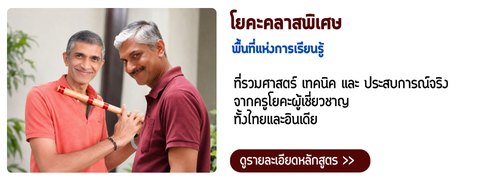
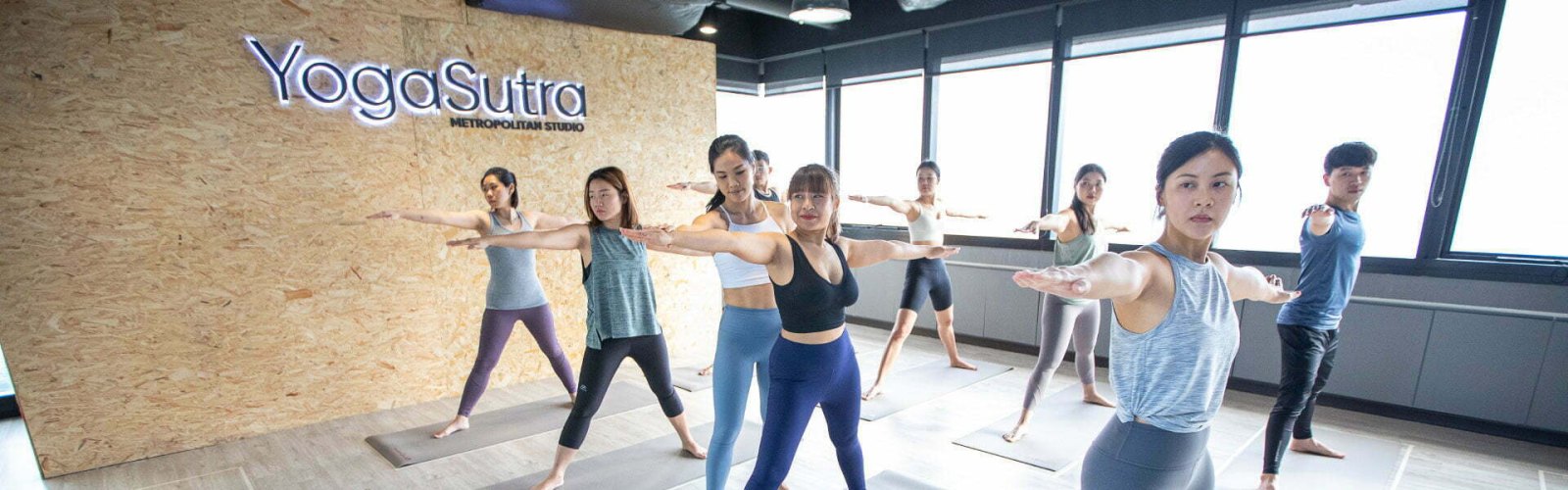
School of YogaSutra Teacher Training Pathway. The School of YogaSutra uses a modular model rather than only one short intensive. Its official program page lists a 100-hour Chandra Krama course, 200-hour teacher training and one-to-one mentorship. This can suit gradual study, but applicants should confirm how modules accumulate and when the full certificate is awarded.
Embrace Energy Yoga 200-Hour Teacher Training
Embrace Energy Yoga publishes a concentrated 26-day, four-week format with multiple Bangkok start dates. The structure may suit students able to study intensively, while those balancing work should compare it with longer weekend formats. Confirm accommodation, daily hours, teaching language and the current registration status before booking.
FIT Thailand 200-Hour Hatha Vinyasa Teacher Training
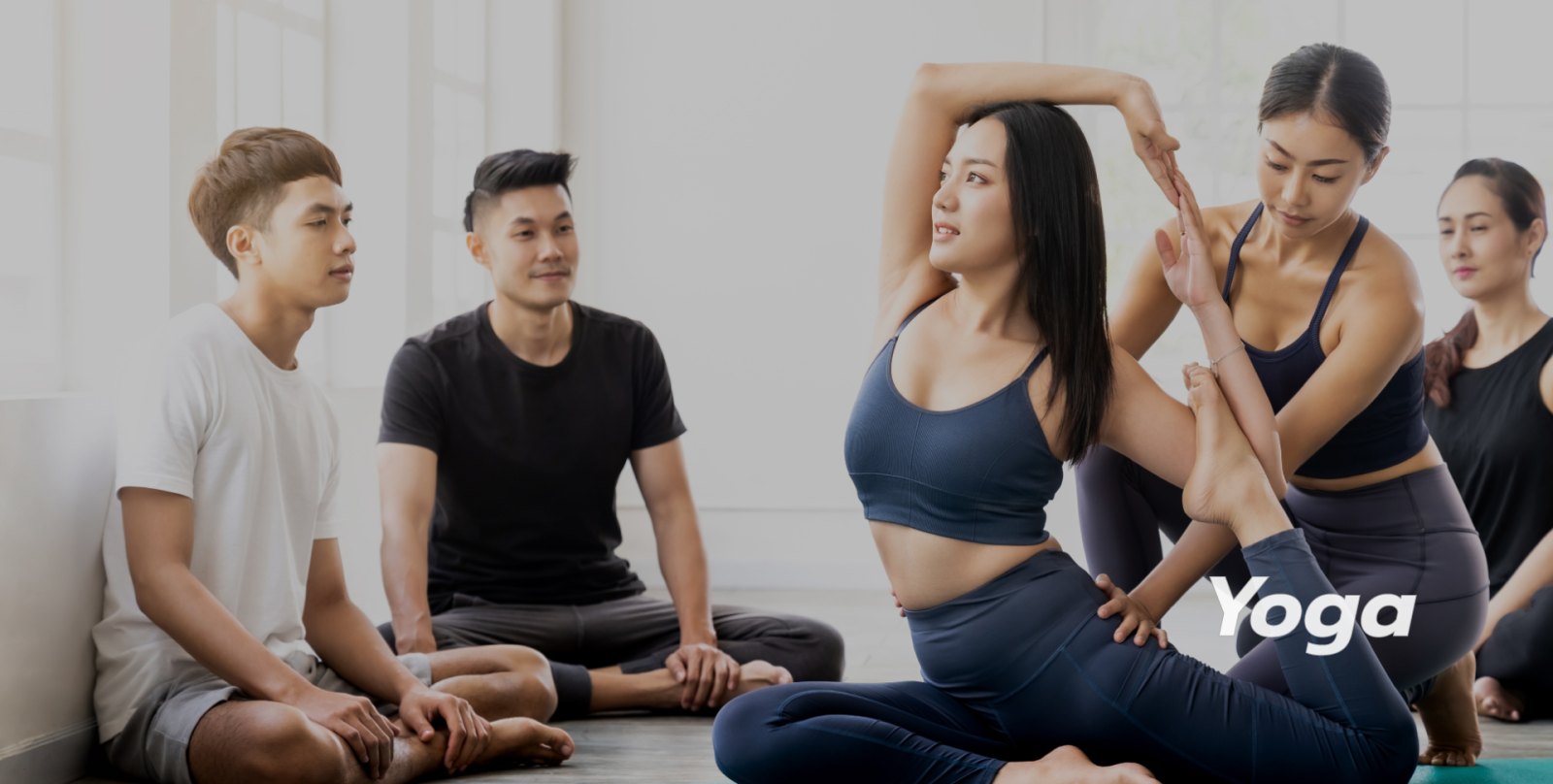
FIT Thailand provides an unusually detailed hour breakdown for its 200-hour Hatha Vinyasa course, including classroom and online study, observation, assisting and practical teaching. It is a Thai-language program with basic English expected, so international applicants should verify that they can meet the language and attendance requirements.
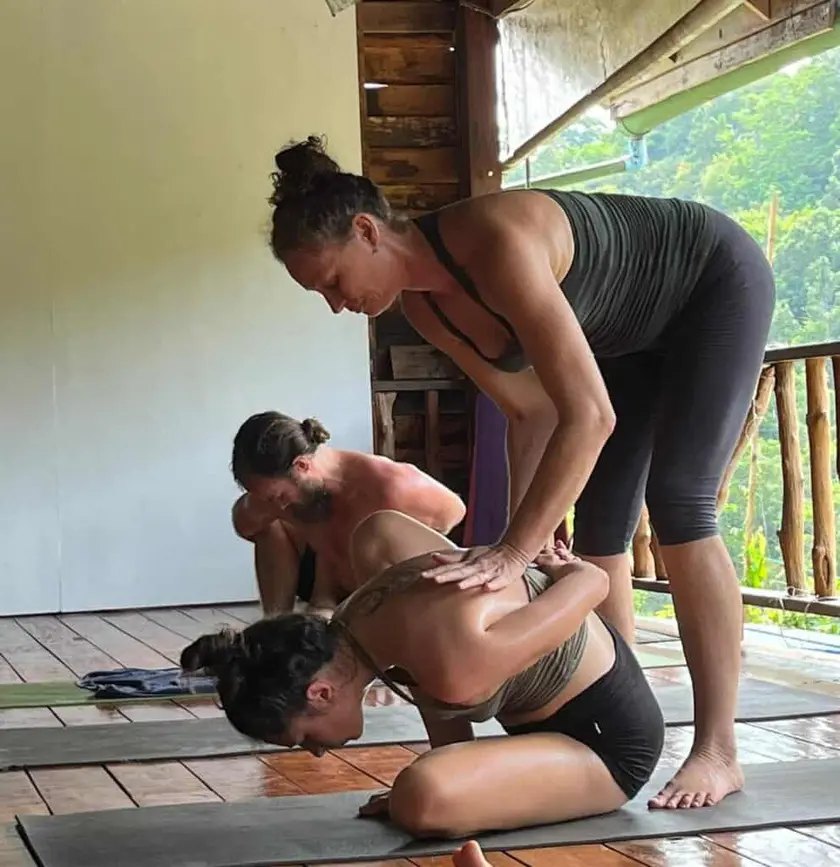
The Yoga Retreat Koh Phangan 200-Hour Teacher Training
The Yoga Retreat publishes a 28-night format with small groups of up to ten and separate course-only or bathroom options. The residential structure can support immersion, but students should confirm the next cohort, accommodation category, assessment process and what is excluded from the listed price.
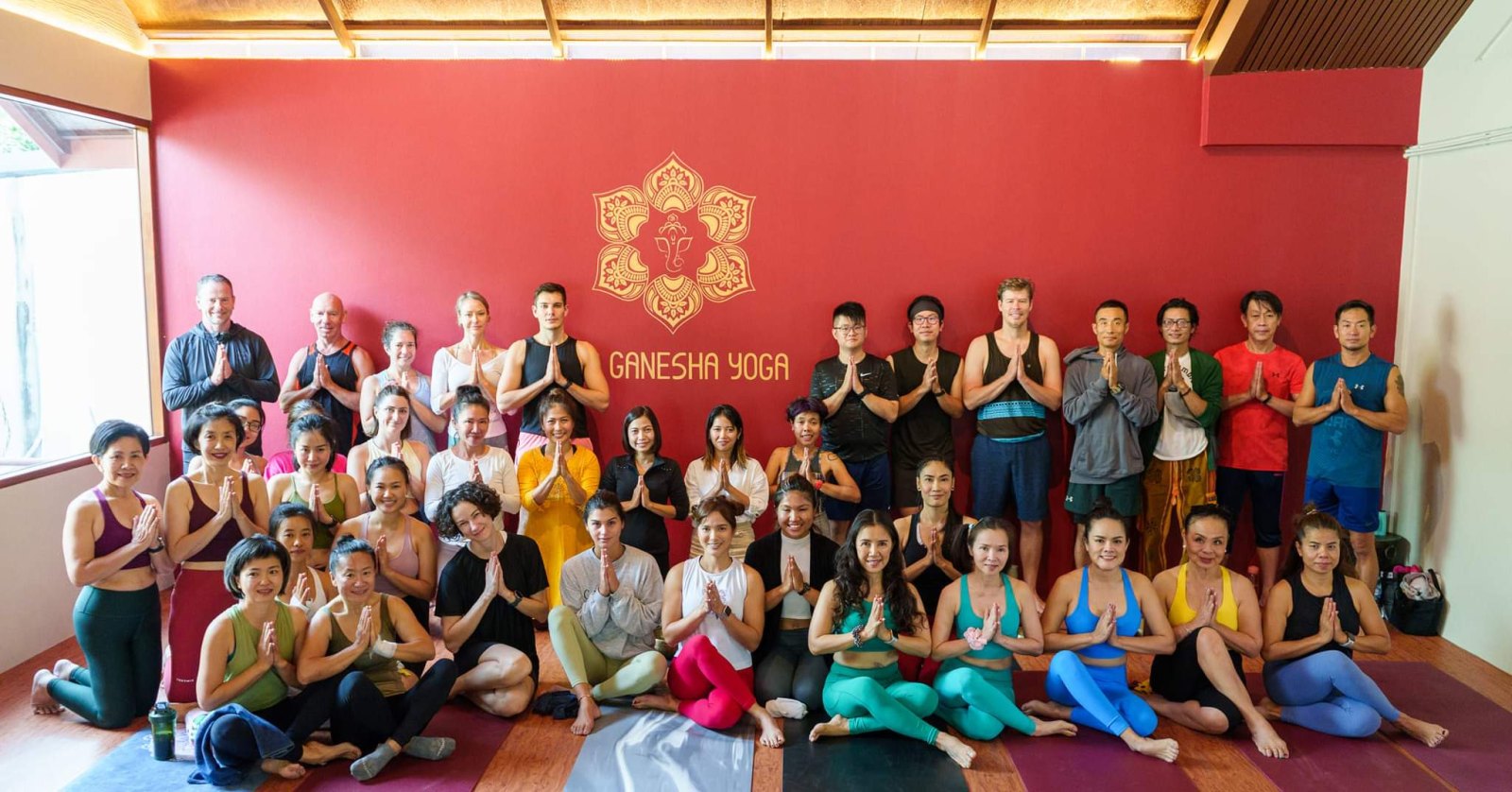
Om Ganesha Yoga Thailand 200-Hour Teacher Training
Om Ganesha Yoga Thailand publishes a 21-day 2027 intensive at its Nimmanhaemin location. It may suit students wanting a concentrated urban course outside Bangkok. Applicants should confirm daily contact hours, accommodation arrangements, prerequisites and the current registration details before committing.
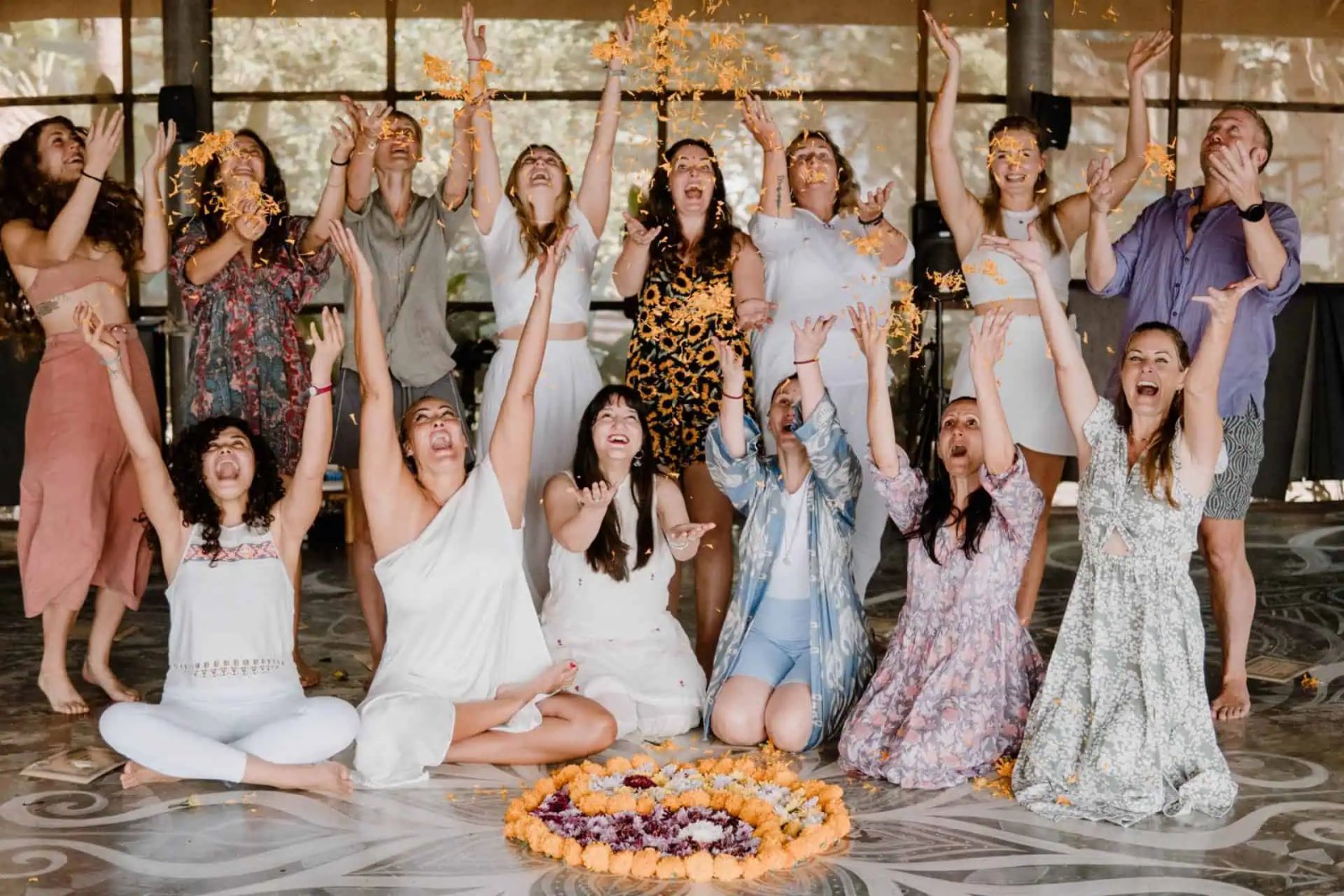
Orion Healing Koh Phangan Yoga Teacher Training
Orion Healing presents a range that starts with foundational 200-hour certification and extends to advanced and specialised study. This breadth may suit students planning a longer pathway, but applicants should identify the exact cohort, style emphasis, residential inclusions and assessment requirements for the program they select.
Andaman Yoga Academy 200-Hour Multistyle Training
Andaman Yoga Academy structures its 200-hour multistyle qualification as three steps, which may appeal to students who prefer modular progression. Prospective students should confirm the sequence, time allowed between modules, teaching language, assessment standard and whether every step takes place at the Phuket location.
How to compare 200-hour yoga teacher training in Thailand
Before you commit to any of the four programs above, take a step back and treat the sales pitch as a starting point rather than a verdict. Contact each school directly and ask them to confirm, in writing, their current Yoga Alliance registration status (or that of an equivalent recognized body) for the exact dates you plan to attend, since registrations can lapse or change between cohorts and a school's homepage is not always kept current. It also helps to ask how many trainees are typically enrolled in the session you are considering, and how that number translates into actual one-on-one time with lead instructors during alignment work and teaching practice, since a program advertised as intimate can look very different once you see the real headcount for your specific dates.
Price comparisons across brochures can be misleading unless you dig into what is actually included. Ask explicitly whether accommodation and meals are bundled into the quoted tuition or billed separately, whether the room type shown in photos is the one you would actually be assigned, and what the policy is if you need to cancel or reschedule. It is also worth asking about the daily schedule in plain terms: how many hours per day are spent in lecture versus practice, how much rest is built in, and whether the pace is realistic for someone new to intensive training. A program that looks similar on paper to another can feel completely different once you understand the day-to-day rhythm.
Finally, keep your expectations grounded in what a 200-hour certificate actually represents. It is an entry-level credential that satisfies the baseline hours most studios and registries require to list you as a teacher, not a guarantee that you will walk out ready to lead a class with confidence or that you have mastered anatomy, sequencing, or the business side of teaching. Many graduates continue studying, mentoring, or assisting for months or years afterward before they feel ready to teach independently, and that is normal rather than a sign the training failed you.
If you are open to training in the capital rather than an island or retreat setting, it is worth narrowing your search. You can see how programs based specifically in Bangkok stack up if proximity to a major city, its airport connections, or its broader yoga community factors into your decision.
Bangkok Yoga School publishes several 2026 and 2027 cohorts, including Thai-language, bilingual and continuous 200-hour formats. This gives students useful schedule choices, although they should confirm which cohort matches their language needs, weekly availability and registration goals before paying.