
Bangkok concentrates most of Thailand's tertiary medicine in one metropolitan area: large private hospital campuses along Sukhumvit, Rama IV and Phaholyothin, and public university hospitals that anchor the national referral system. For a newcomer the practical question is rarely whether good care exists but which kind of hospital fits the situation, a private hospital with published English services or a public teaching hospital with deep specialist rosters and longer queues. This comparison sticks to what each institution publishes officially: emergency cover, accreditation statements, specialty centers and patient services, so you can shortlist calmly before you ever call a hospital switchboard.
How this list of best hospitals and clinics in Bangkok was put together
We built this list by reviewing official information published by each hospital or clinic, including emergency services, specialty centers, accreditation statements, international patient support, English-language information and access details. The aim was to focus on institutions with clear public evidence rather than relying only on reputation, review scores or travel forum recommendations.
We also separated different types of care settings. A large private hospital, a public teaching hospital and a smaller specialist clinic may all be useful, but they do not serve the same needs. This list is designed to help readers understand which option may fit urgent care, specialist consultation, planned treatment or international patient support before contacting a provider directly.
Twelve hospitals and clinics to know in Bangkok

Bangkok Hospital (Headquarters)
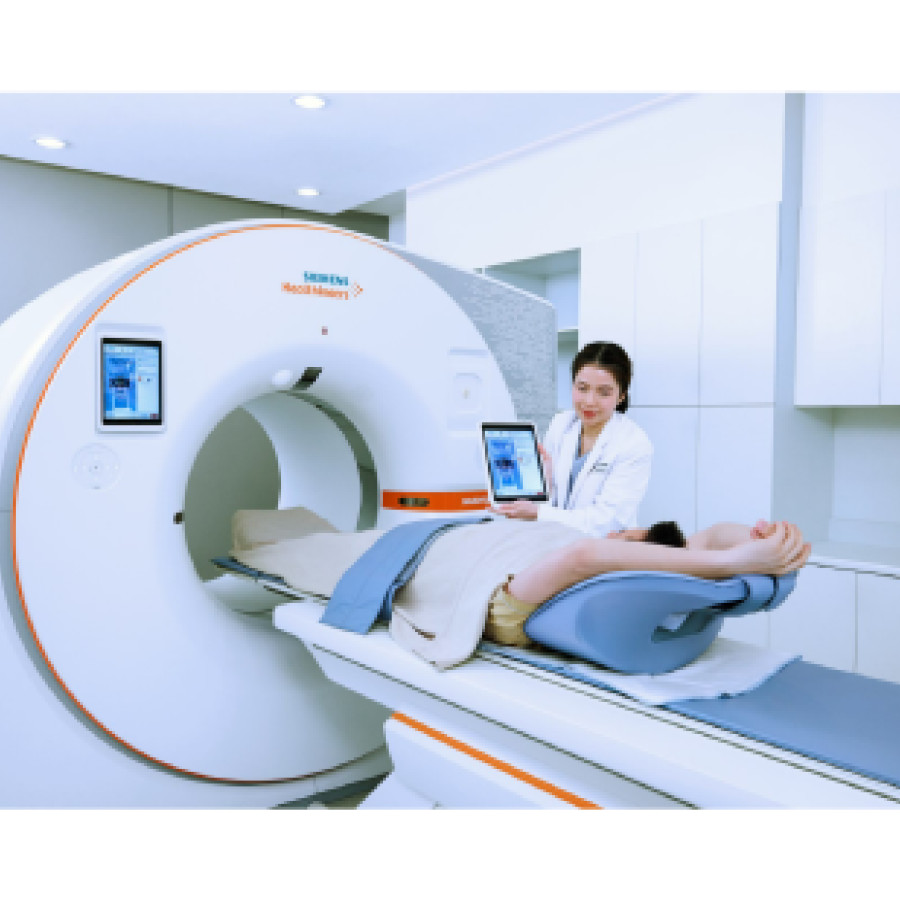
Bangkok Hospital's headquarters campus on Soi Soonvijai groups several specialized hospitals in one place, including Bangkok Heart Hospital and the Wattanosoth cancer hospital, all within the BDMS network, with services indexed on its main site. The campus also publishes an Expat Care Center alongside service pages aimed at individual patient communities. It is a reasonable starting point when a case may cross specialties, since cardiac, cancer and trauma services share one address; confirm in advance which of the campus hospitals will actually hold your appointment, because each operates as its own institution.
Samitivej Sukhumvit Hospital
Samitivej Sukhumvit Hospital is a 275-bed hospital founded in 1979 in the residential Soi 49 area, with Joint Commission accreditation stated on its about page along with its 1999 recognition as Thailand's first Mother-and-Baby Friendly Hospital. The hospital publishes free in-hospital interpreters in seven languages and a trauma and emergency service that runs around the clock. It fits families settled on the Sukhumvit side of town who want one hospital for routine and urgent needs; since the Samitivej group runs seven hospitals on a shared website, verify that your chosen doctor actually practices at the Sukhumvit campus.
MedPark Hospital
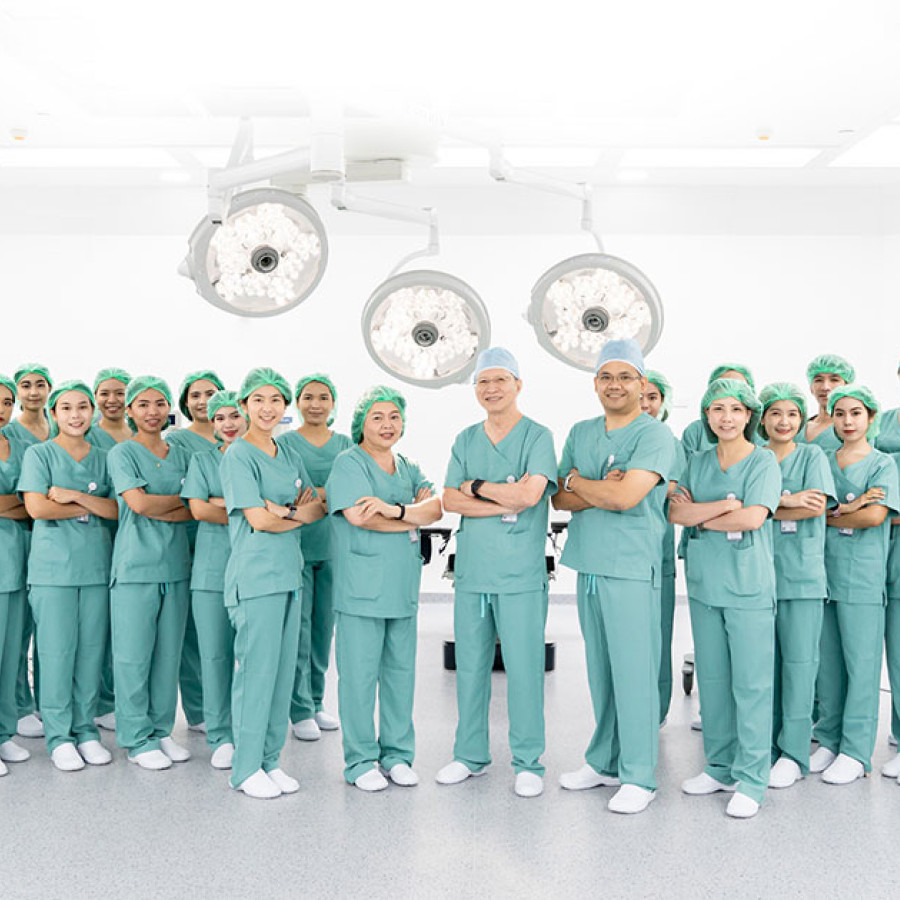
MedPark Hospital is a newer tertiary hospital at 3333 Rama IV Road whose center directory indexes upward of 40 centers and specialty clinics, and whose JCI accreditation has been renewed for a second term running to February 2029. The website is published in five languages, although no dedicated international patient office is listed on it. It appeals to patients around Khlong Toei and Sathorn who want recent facilities and subspecialty depth; when you call, ask whether your consultation needs a referral letter or prior imaging, so the first visit is not spent arranging paperwork.
BNH Hospital
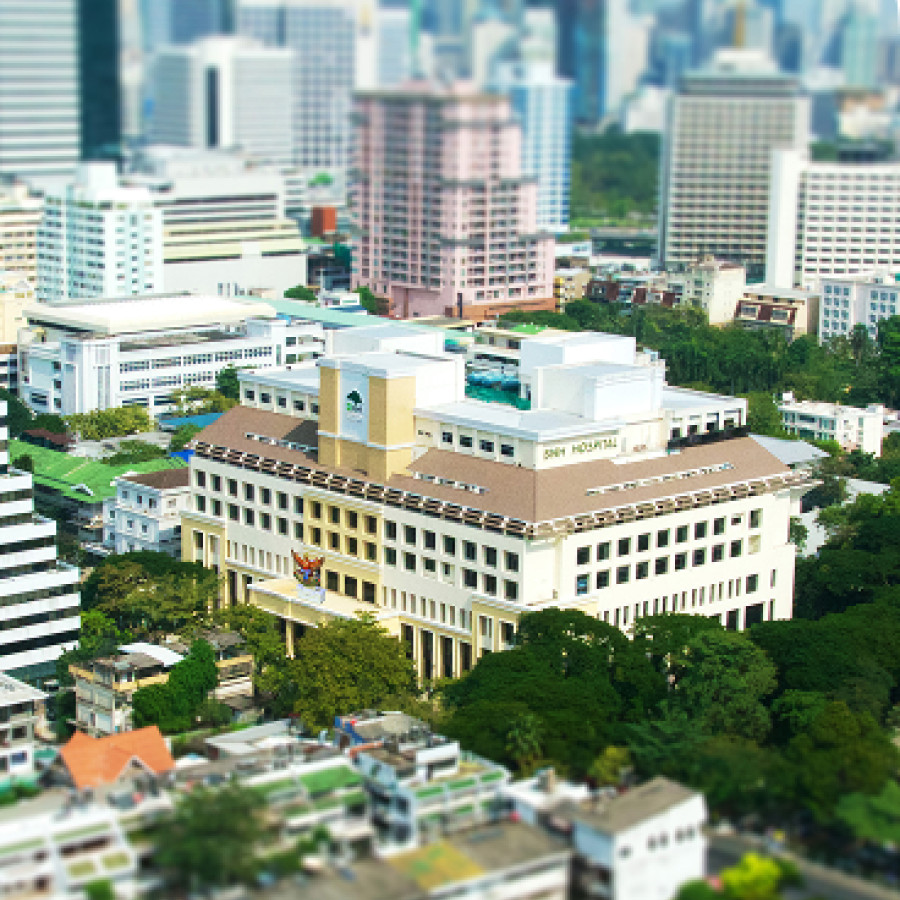
BNH Hospital traces its origins to 1898 and a nursing home founded under royal patronage; the hospital describes itself as Thailand's first international private hospital and operates today from Convent Road in Silom. Its services overview lists a 24-hour emergency department, women's health, orthopaedics, dialysis and an international travel medicine clinic. The compact campus suits people working in the Silom and Sathorn business districts who prefer a smaller hospital over a mega campus; check whether the department you need keeps evening or weekend hours, since published departmental schedules differ across the week.
Phyathai 2 Hospital
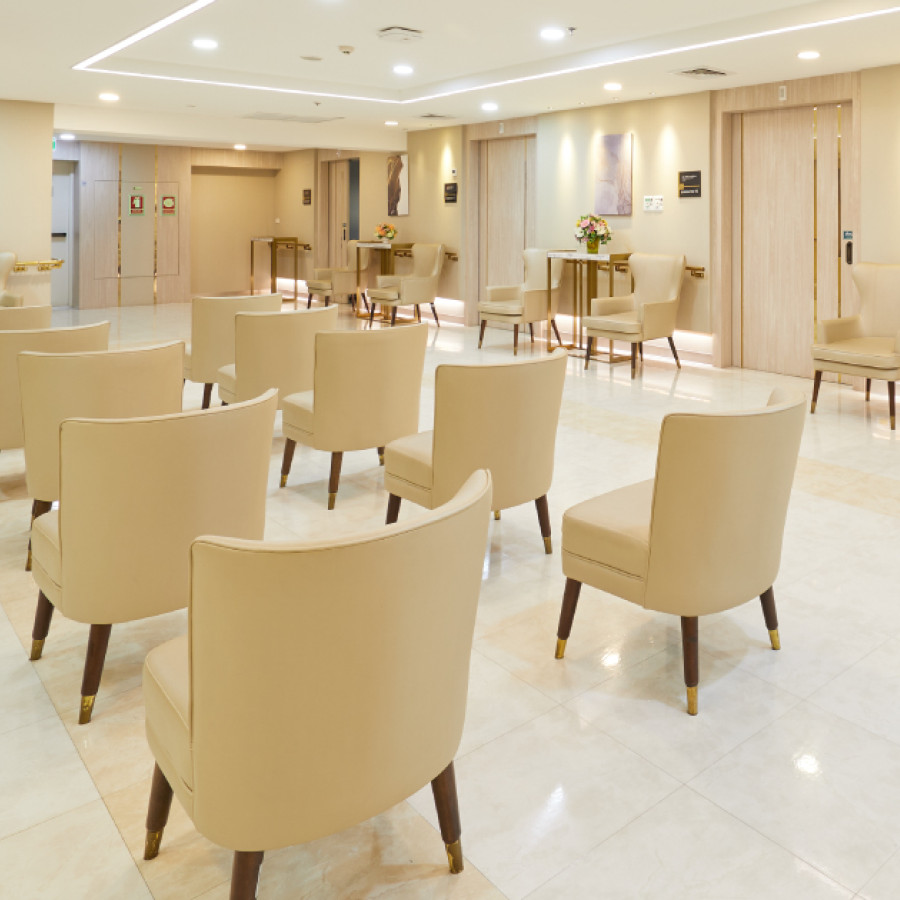
Phyathai 2 Hospital runs 550 beds on Phaholyothin Road and has operated since July 1987 within the Phyathai group, with published centers for heart, musculoskeletal, gastrointestinal and women's health listed on its hospital site. The group's expat page lists medical staff who speak English, Chinese, Japanese and Arabic at its Bangkok hospitals. It works well for patients along the northern BTS corridor near Sanam Pao; because several published center pages are group level, confirm that the specific specialist you want actually sits at Phyathai 2 rather than at another group hospital.
Praram 9 Hospital
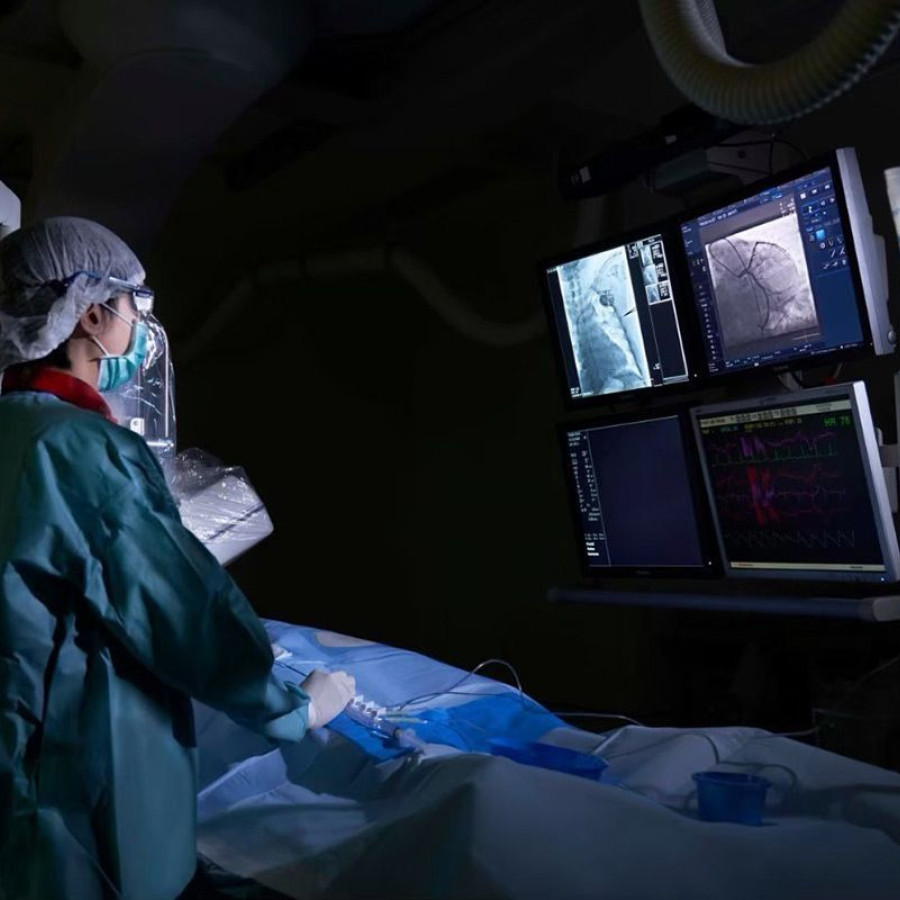
Praram 9 Hospital in Huai Khwang has held JCI accreditation since 2010 and is unusual among Bangkok private hospitals in publishing a program level JCI accreditation for its Kidney Disease and Transplant Institute, detailed on its hospital history page. The hospital also lists a 24-hour emergency center, a check-up center and a broad set of specialty centers from cardiology to a Mind Center. Consider it if kidney care, dialysis access or transplant follow-up may be in your future; for other specialties, ask which days the relevant clinic has specialists scheduled, as center pages describe services rather than rosters.

Vejthani Hospital
Vejthani Hospital is a 263-bed hospital serving the Lat Phrao and Bang Kapi districts on Bangkok's east side, established in 1994, whose fact sheet records JCI accreditation and round the clock emergency cover supported by the hospital's own ambulance service. Its published centers include an orthopedics building opened in May 2021 and interpreter services covering eight languages. It makes sense for residents of eastern Bangkok who would rather not cross town for hospital care; confirm the exact street address and route by phone when booking, as we could not verify the address from the hospital's published pages this session.
King Chulalongkorn Memorial Hospital
King Chulalongkorn Memorial Hospital is a public tertiary and teaching hospital on Rama IV Road, operated by the Thai Red Cross Society and paired with the Faculty of Medicine at Chulalongkorn University, with general information published on the hospital's site. The Red Cross states that it provides medical services to the general public without discrimination and supports medical training and research. It suits patients comfortable navigating a Thai public hospital, with the specialist depth a national referral center brings; English service information online is limited, so phone the switchboard before visiting to confirm where and when your clinic runs.

Ramathibodi Hospital
Ramathibodi Hospital is the public teaching hospital of Mahidol University's Faculty of Medicine, located on Rama VI Road in Ratchathewi and presented on the faculty's site as an academic medical center combining patient care, education and research. Affiliated facilities include the Queen Sirikit Medical Center and the Chakri Naruebodindra Medical Institute. It is a strong fit for complex conditions that benefit from university medicine, provided you accept public sector waiting times; the English site is written mainly for students and faculty, so have a Thai speaker help you book through the switchboard if possible.
Hospitals and clinics with published international patient services

Yanhee International Hospital
Yanhee International Hospital, a 400-bed JCI accredited hospital on Charansanitwong Road in Bang Phlat, commits in writing on its about page to free translation help covering the languages its foreign patients commonly use, and says English capable staff are posted at each counter and department. The hospital is known internationally for plastic surgery and also publishes medical, dental and general service centers. It fits patients coming specifically for cosmetic or dental work who want language support built into the visit; note that no 24-hour emergency statement appears on the English site, so plan elective care here and identify a separate hospital for emergencies.
Global Doctor Bangkok
Global Doctor Bangkok states that its GPs and staff communicate in fluent English, and it has served international patients for 25 years from the Interchange Tower in Asoke and the Holiday Inn building on Silom Road. Published scope covers general practice, travel and tropical medicine, vaccinations, medical certificates and hospital referrals, with weekday hours of 9:00 to 17:00, Saturday mornings, and a 24-hour hotline for house and hotel calls. It is not an emergency room, so for anything urgent after hours ask the hotline whether a doctor can genuinely reach you or whether a hospital is the right move.
Choosing the right hospital in Bangkok
Choosing where to receive care in Bangkok is not a decision to make on ranking alone. Before you commit to any hospital or clinic on this list, take the time to confirm that the specific specialty department and specialist you need are actually staffed and available on the dates you plan to be there. A facility that excels in one area of medicine may have limited capacity in another, so a direct call or email to the department in question is worth the effort.
It is also worth asking pointed questions about emergency response capability, especially if your condition could require urgent escalation, transfer to intensive care, or coordination with an ambulance service. At the same time, confirm English-speaking staff and interpreter availability for your particular language, since front-desk English is not the same as having a clinician who can discuss your treatment in detail.
Finally, before any appointment is confirmed, have a clear conversation about insurance and direct-billing arrangements. Ask whether the hospital works directly with your insurer or whether you will need to pay upfront and file for reimbursement afterward, and request a written, itemized cost estimate for any procedure or extended treatment.
If you are based in or traveling through northern Thailand, or simply want to weigh your options beyond the capital, it may be worth looking at facilities outside Bangkok as well. Our guide to the best hospitals in Chiang Mai lists hospitals in that region, which could be a more practical starting point if a long trip south is not necessary for your situation.
Bumrungrad International Hospital occupies a single campus on Sukhumvit Soi 3 and was the first hospital in Asia accredited by the Joint Commission International, in 2002, with a seventh reaccreditation published in 2024. Beyond its 24-hour emergency center, the hospital lists an extensive range of specialty centers on its official site, from a Heart Institute to a travel medicine clinic. It suits patients who want nearly everything under one roof in central Bangkok; before booking, check whether the specific center you need takes direct appointments or expects a referral from another department.