
The best dental schools in Thailand include public and private universities offering Doctor of Dental Surgery programmes through Thai-taught, bilingual and international pathways. The main differences are not only tuition and admissions, but also teaching language, clinical training, university setting and eligibility for international students. The five schools below publish official programme information and current recognition, giving prospective students a practical starting point for comparing dental education in Thailand before applying.
Dental schools in Thailand offering a DDS
This comparison includes universities that publish an official Doctor of Dental Surgery (DDS) programme in Thailand, operate a verified Thai campus and have current recognition from the Dental Council of Thailand. We also checked that each institution provides enough official programme information to understand the study pathway and campus context. The order is editorial rather than a quality ranking, so prospective students should still compare teaching language, admissions, tuition and clinical training directly with each university.
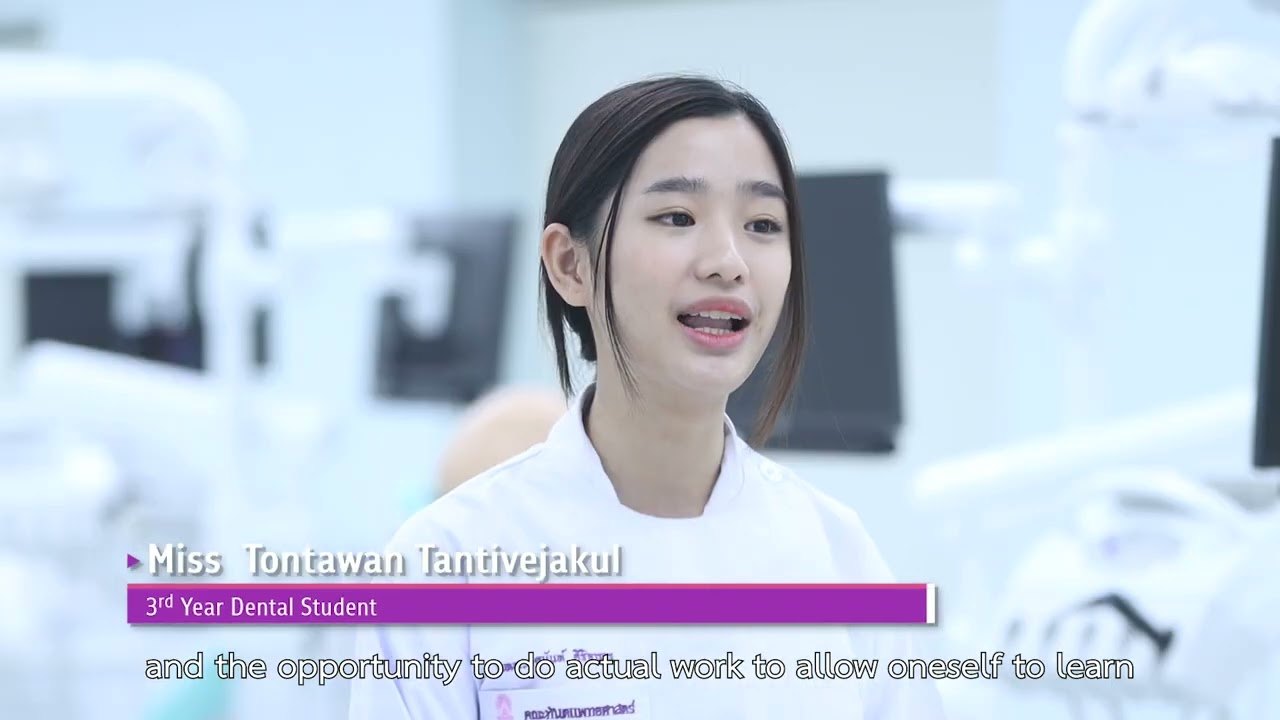
Mahidol International Dental School
MIDS publishes English-medium study and admissions for Thai and non-Thai students, with study across Mahidol sites. Candidates should check the latest intake rules, tuition and clinical language requirements.

Faculty of Dentistry, Srinakharinwirot University
Faculty of Dentistry, Srinakharinwirot University is identified in the university prospectus alongside its DDS degree, while the Dental Council lists current recognition for regular and bilingual routes. Applicants should request the latest curriculum and admissions notice.
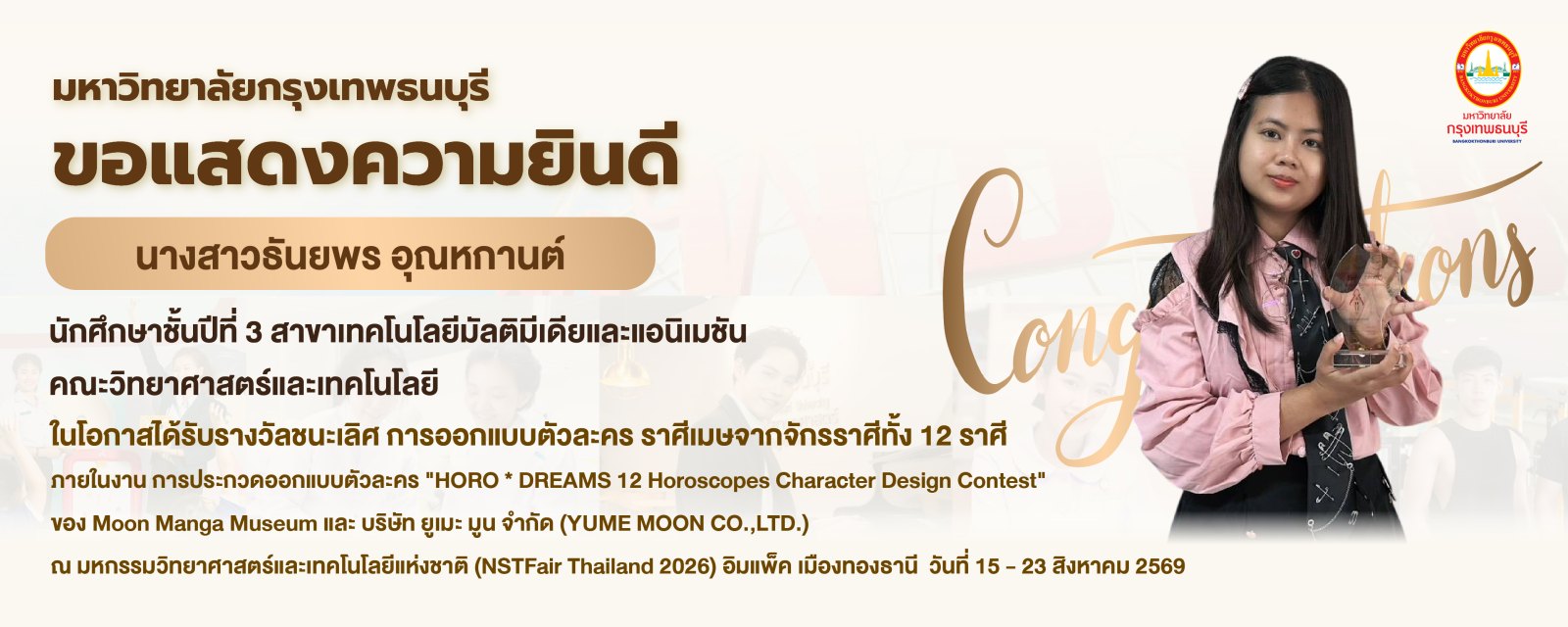
Faculty of Dentistry, Bangkokthonburi University
Faculty of Dentistry, Bangkokthonburi University lists its dentistry faculty and DDS degree, and the Dental Council lists the program among recognized domestic institutions. Applicants should confirm the current course duration, intake criteria, teaching language and total fees.
Faculty of Dentistry, Thammasat University
Faculty of Dentistry, Thammasat University publishes outcome-based regular and bilingual DDS curricula and current Dental Council accreditation. Applicants should compare the two routes, their language expectations and current admission notices.
Weighing your options for dental school in Thailand
Start with programme language and eligibility. Regular, bilingual and international DDS routes can use different admission systems, citizenship conditions, science prerequisites and English-language requirements. Ask each faculty which route applies to your background and whether any part of the six-year degree, clinical training or patient communication requires Thai.
Compare the clinical side of the programme as carefully as the academic curriculum. Check when students begin treating patients, which dental hospital or teaching clinics they use, how community rotations are organised, what case requirements apply and how supervision works. If you want broader context on how dental care is organised in the country, this guide on how to compare dental clinics in Thailand explains licensing, dentists, treatment settings and other practical features of the Thai dental system.
Recognition is another key point. Confirm Dental Council of Thailand recognition for the exact DDS programme and the period in which you expect to enrol, rather than assuming recognition applies automatically to every pathway offered by the university. If you intend to practise outside Thailand, check the degree, clinical training and licensing examination requirements directly with the dental regulator in the country where you plan to work.
Finally, calculate the full six-year cost rather than comparing tuition alone. Ask for the latest fee schedule and include instruments, materials, uniforms, insurance, examinations, accommodation and living expenses. Scholarship conditions, refund rules and withdrawal policies can also differ significantly, so request the current written terms directly from each dental faculty before committing.
Faculty of Dentistry, Chulalongkorn University's published curriculum describes problem-based learning in the early years and case-based clinical education later. Applicants should verify the current TCAS route and Thai-language expectations.