
A cosmetology course is only useful if its content matches the work you hope to do. Bangkok schools advertise everything from short eyebrow or cutting classes to 1,200-hour beauty-therapy pathways, so the important comparison is not the school name alone: it is the syllabus, duration, supervised practice, assessment and certificate attached to a particular programme. This guide examines those programme-level differences and highlights what each published course may prepare a student to do next.
Cosmetology programmes in Bangkok: content, practice and outcomes
We included programmes with official evidence of Bangkok-based training in hair, makeup, skincare or related beauty services. We compared the named curriculum, published hours or duration, practical component and stated credential; where a provider does not publish one of those details, the omission is identified rather than filled with an assumption. The order is editorial, not a league table. Information was reviewed on 16 September 2026, and students should obtain the current syllabus and award terms for their intended intake in writing.

Adele & Smith Health & Wellness School
Adele & Smith offers two very different study commitments: an 84-hour facial course and a 1,200-hour diploma programme. The shorter option is relevant to focused facial-service training, while the diploma is positioned as a much broader beauty-therapy pathway with preparation for a CIDESCO examination. Students aiming for spa or beauty-therapy roles should compare the actual practical hours and assessment requirements, not assume that the two courses lead to the same work. The school's CIDESCO status and awarding claims are self-reported, so confirm current registration, examination eligibility, additional fees and recognition directly with the named awarding body.

ICA Makeup Academy
ICA's 360 Beauty Professional programme extends beyond application technique into hair styling, creative effects and client marketing, making it potentially relevant to aspiring freelance or commercial makeup artists. Its own published page, however, gives conflicting formats: a year-long, 500-hour track and a separate 55-day duration. That difference is too large to treat as a minor timetable variation. Request the current module list, a dated schedule, practical and portfolio requirements, kit costs, assessment criteria and the precise qualification linked to the chosen format before comparing it with shorter makeup courses.
Make Up Arts And Technique School
Make Up Arts and Technique School concentrates on makeup, with published references to foundation instruction and special-effects training. That focus may suit students building a makeup portfolio more closely than a broad cosmetology course covering hair, nails and skincare. The current site does not state the duration, contact hours or a named certificate for these programmes. Ask for the intake-specific syllabus, the number of assessed looks, access to models, product and kit requirements, tutor feedback arrangements and the credential issued. Also distinguish an assessed professional course from a product demonstration or corporate grooming session.

Thanin Hair School
Thanin's catalogue is directed at hairdressing and salon skills, including cutting, colour and styling modules. Its statement that it has only one Bangkok school is useful when confirming where teaching and assessment actually take place. The published information does not establish the hours or certificate for each module, so prospective students should request a course-by-course outline rather than treating the catalogue as one comprehensive qualification. Confirm the entry level, sequence of modules, mannequin and live-model practice, teaching language, assessment and the salon roles the school believes each route supports.
MOGA Academy
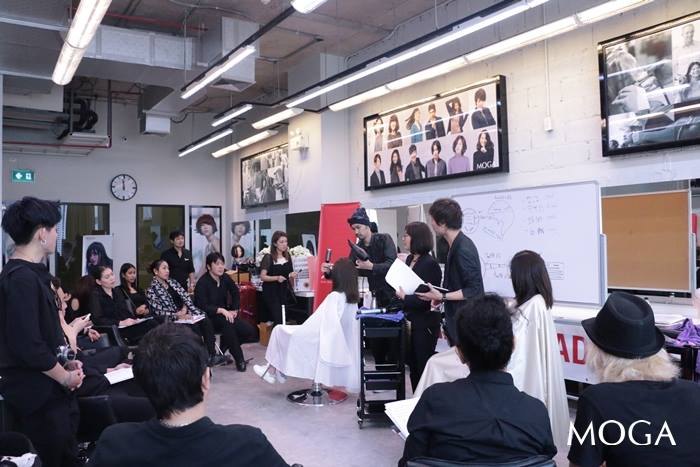
MOGA's design cutting class is best read as targeted technical development, not automatically as a complete cosmetology qualification. The published content combines design cutting with hair and scalp theory and includes mannequin and live-model practice, which may appeal to a practising stylist or a learner adding a defined cutting skill. Because total contact hours and a completion certificate are not established on the academy page, ask about the required starting level, class size, practical repetitions, assessment and what evidence of completion is provided.
Thailand Beauty Center (T.B.C. Academy)
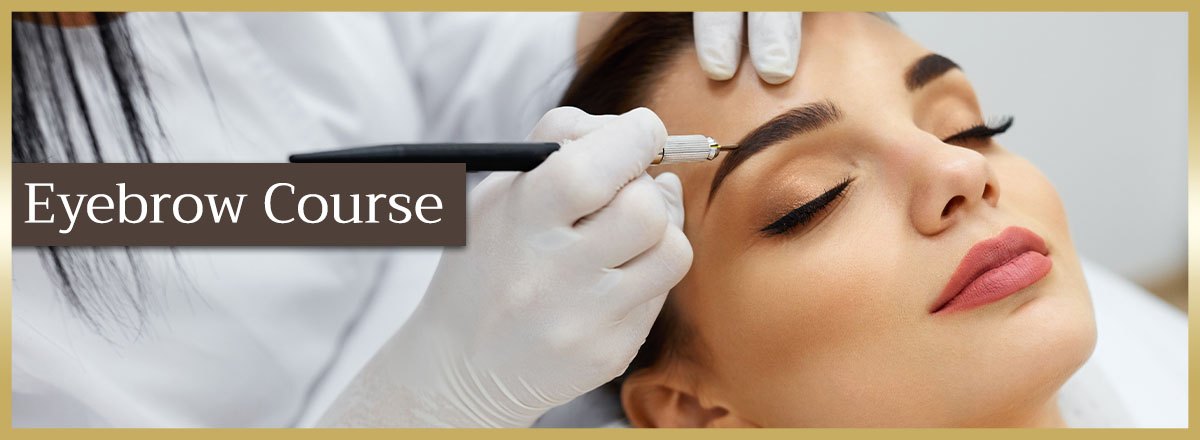
Thailand Beauty Center (T.B.C. Academy) uses a modular model, publishing separate courses in eyebrows, nails, eyelash extensions, lifting, waxing and makeup. This can work for someone adding one service to a beauty menu, but the modules should not be presented as a single all-round cosmetology diploma. For the chosen service, obtain the duration, theory and hygiene content, supervised practice, number of models, consumables included, assessment and exact certificate in writing. The most useful outcome question is whether the module provides enough repeated practice to perform that specific service safely and consistently.
Bangkok Beauty and Spa School
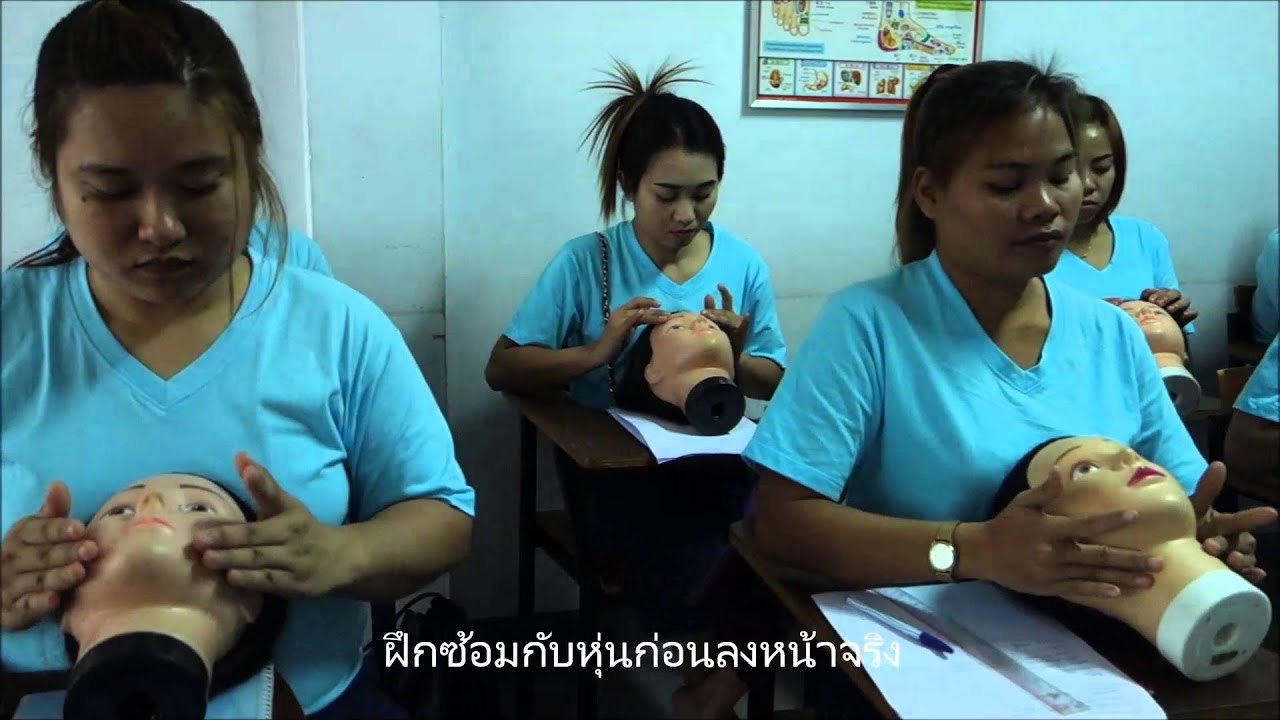
Bangkok Beauty and Spa School publishes a defined 150-hour beauty-service programme, a more concrete time commitment than many entries on this list. Its wider catalogue is heavily massage-oriented, so applicants seeking cosmetology training should ask how the 150 hours divide among facial care, other beauty practice, theory and assessment. Request the current course approval documents, practical schedule and exact award rather than relying on general recognition statements. That detail will show whether the programme aligns with a facial or beauty-service role, or whether a more specialised course is still needed afterwards.
How to assess a cosmetology programme before enrolling
Start by writing down the service or role you want to perform. A salon hair route, makeup portfolio course, facial programme and eyebrow module need different theory, equipment and practical repetitions. Ask the school for a dated syllabus showing classroom theory, tutor demonstrations, mannequin work, live-model practice and formal assessment. A course title alone cannot reveal whether students practise enough to work with clients.
Treat the certificate as a specific claim that must be checked. Ask who issues it, what attendance and assessment are required, and whether an external examination is included. If an international awarding body is named, verify the school's current status and the candidate's examination route with that body. A school attendance certificate, an externally assessed diploma and preparation for a separate exam are not interchangeable.
Calculate the whole commitment: tuition, kit, consumables, model fees, examination charges, resits and time away from work. Confirm the teaching language, class size, address and replacement-class policy. Visit if possible and inspect hygiene, workstations, equipment sharing and tutor supervision. Finally, ask what graduates of the specific programme commonly do next; the wider Bangkok beauty-clinic market provides context, but a training course should be judged by its own curriculum and outcomes.
CHALACHOL Academy's intensive hairdressing route is the clearest fit here for a student seeking a multi-skill salon foundation rather than one isolated technique. Its roughly three-month curriculum covers cutting, colouring and styling, then broadens into basic manicure and salon practice. That mix points towards entry-level salon work, although the published material does not name the certificate or diploma awarded. Before enrolling, ask for total contact hours, the balance between demonstrations and student practice, whether models are supplied, the assessment method and the exact document issued on completion.