
Laser vision correction is sold to visitors in Thailand as a quick, self-contained errand. It is not quite that. Refractive surgery is elective surgery on a healthy eye, and the appointment that decides everything is the screening, where corneal thickness, prescription stability and tear film either qualify you or do not. Some people are better served by a lens-based procedure, and some by nothing at all. Each of the eight providers below publishes a refractive procedure of its own, laser or lens based, and every detail here is taken from those official pages.
What counted as evidence here
This list is confined to providers that publish a refractive procedure they carry out themselves, whether laser or lens based. Eye departments that only assess refractive error and send the surgery elsewhere were left out, along with opticians and contact lens retailers. Hospitals offering ICL or lens exchange without any laser platform were kept, since candidacy often lands there. Named platforms appear only where the provider names them. The way we gather and check these details sits in how we review clinics.
Eight centers that publish refractive surgery
Rutnin Eye Hospital
Rutnin Eye Hospital lists refractive surgery as one specialty among many on its eye care services, next to cornea, retina, glaucoma and ocular oncology. That context is worth something to a refractive candidate: if screening turns up keratoconus, a retinal tear or early glaucoma, the specialist who should look at it works in the same Asoke building. Ask which corneal measurements are taken during screening and what result would make the hospital decline to operate on you.
Bangkok Eye Hospital
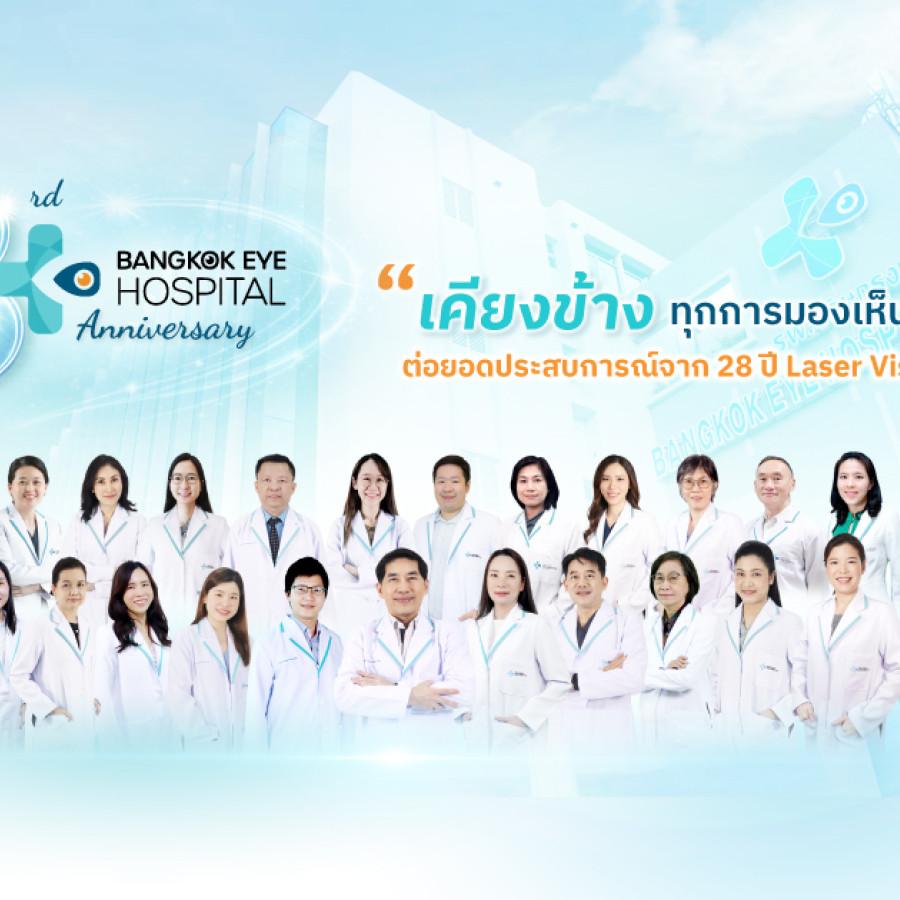
Bangkok Eye Hospital absorbed the Laser Vision International LASIK Center, established in 1998, which now runs as its laser vision service rather than a separate clinic; the old standalone website no longer resolves, so older recommendations pointing there are out of date. Presbyopia correction sits in the same center, which matters for readers past forty, for whom correcting distance vision alone can be a poor trade. Confirm whether monovision or a lens-based option was weighed before you agree to laser.

St. Peter Eye Hospital
St. Peter Eye Hospital belongs on a refractive list as much for what it does not publish as for what it does. Its service pages list ICL implantation and presbyopic lens exchange, both lens-based corrections, and no laser procedure at all. For a Chiang Mai resident whose prescription is too strong or cornea too thin for laser, that is exactly the relevant route. The site runs mainly in Thai with no interpreter service published, so arrange language help in advance; consent for an intraocular procedure needs to be understood properly.
Bumrungrad International Hospital
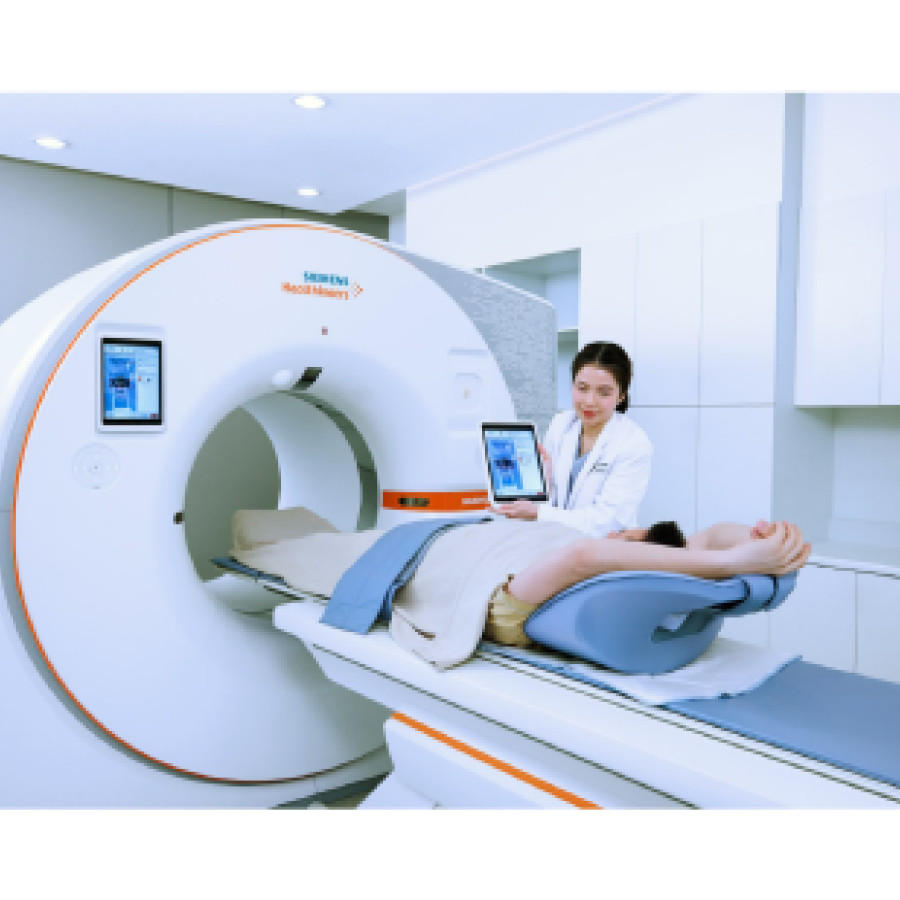
Bumrungrad International Hospital places ReLEx SMILE, LASIK and PRK inside the published scope of its vision and eye surgery center rather than running a separate refractive brand. The same center handles cornea transplantation, the subspecialty that also manages corneal disease turned up by refractive screening. Someone flying in for an elective procedure may value the documented language and coordination services wrapped around the appointment. Ask whether the surgeon who screens you also operates, since large centers do not always pair the two.

MedPark Hospital
MedPark Hospital names SMILE Pro specifically in the published scope of its eye care center, along with refractive cataract surgery, cornea and oculoplastics. Refractive cataract work matters on this list because for patients past about fifty the honest answer is sometimes a lens replacement rather than laser, and a center doing both can say so. Nothing is published about interpreters despite a five-language website; since refractive consent means discussing risk in detail, settle the language question before screening.

Bangkok Hospital (Headquarters)
Bangkok Hospital's headquarters campus publishes LASIK and refractive work among the services of its eye center, grouped with cornea, glaucoma, diabetic eye care and oculoplastic surgery. Refractive surgery is one line in a broad ophthalmology department rather than a standalone program, which suits patients who want it done inside a hospital they already use for everything else. The Soonvijai campus is large and holds several separate hospitals. Ask which building the eye center occupies and whether screening and surgery can share one visit.

Vejthani Hospital
Vejthani Hospital describes refractive error treatment at its eye center without naming laser platforms, alongside cataract surgery with intraocular lenses, laser and surgical glaucoma treatment and diabetic retinal screening. That absence is worth noticing on a list where several providers publish their equipment in detail. For eastern Bangkok residents the location stays the draw, and the hospital's interpreter roster covers eight languages. Before booking a screening, ask which refractive procedures are performed on site and which would be referred elsewhere.
How to approach refractive surgery in Thailand
Use the screening appointment to discuss which procedure, if any, is appropriate for your eyes. Ask the surgeon to explain the assessment findings, alternatives, risks and realistic limits rather than choosing a technique from its advertised name.
Confirm the full quote, follow-up visits and support for unexpected symptoms. Plan travel and time away from usual activities around the treating team's instructions.
TRSC International Eye and Vision Center is the one provider here built around refractive surgery rather than offering it as a department. Its LASIK pages sit beside published FemtoLASIK, ReLEx SMILE, SMILE Pro, PRK, ICL and refractive lens exchange, so both laser and lens-based routes exist if your cornea rules one out. The Rama IV Road center opens Monday to Saturday until 20.00 and on Sunday afternoons. Ask what the assessment involves, and what happens if screening finds you unsuitable for the procedure you came in for.