
Most hospital beds in Thailand belong to the state, but the phrase public hospital hides several different owners: the Ministry of Public Health and its specialist departments, university medical faculties, the Thai Red Cross Society, the Department of Mental Health, and provincial administrations. From outside that variety is invisible, yet it governs how you get in, whether a referral is expected of you, and what the counter eventually charges. The eight hospitals below answer to all of those owners between them, spread across Bangkok, Chiang Mai and Phuket. Several publish little or nothing in English, and each entry says so rather than filling the silence from elsewhere.
Which state hospitals were eligible
Every entry is a state-owned hospital in one of the provinces this directory covers, whether general, university or specialist. Private hospitals carrying official-sounding names were set aside, and so were government units that see outpatients without admitting anyone. Where a hospital's website was Thai-only, blocked to automated access or offline while we worked, we recorded what a reachable official page could confirm and flagged the limitation inside the entry itself. Our full method for judging that kind of evidence lives at how we review clinics.
From national referral centers down to a district hospital

Ramathibodi Hospital
Ramathibodi Hospital is less a single building than a faculty: Mahidol University presents it on its English pages as an academic medical center whose affiliated facilities take in the Chakri Naruebodindra Medical Institute as well as the Queen Sirikit Medical Center. The Rama VI Road site in Ratchathewi is the main one, reachable through a switchboard, while other appointments happen at addresses some distance away. English material here is written for students and researchers rather than patients, so before setting out, pin down which campus your appointment belongs to and what the clinic wants you to bring.
Somdet Chaopraya Institute of Psychiatry
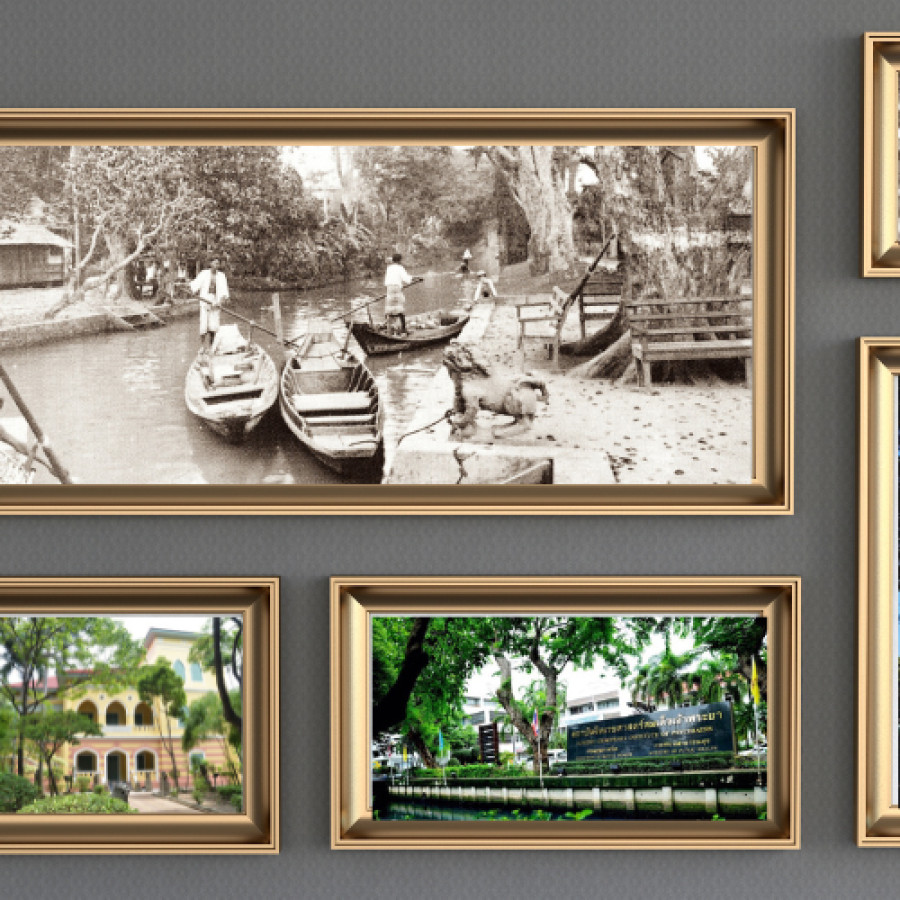
Somdet Chaopraya Institute of Psychiatry in Khlong San dates its founding to 1 November 1889, which makes it the oldest psychiatric hospital in the country, and it operates today as a specialist institute of the Department of Mental Health. Its history pages are published in Thai, as is the remainder of the site, and no interpreter arrangement is described anywhere. It is a serious option for public psychiatric treatment if you can navigate Thai; note that 1323, the national mental health counseling line, is a ministry service rather than this institute's own number.
Maharaj Nakorn Chiang Mai Hospital
Maharaj Nakorn Chiang Mai Hospital, called Suan Dok locally, is where the Chiang Mai University medical faculty treats patients, and each clinical department keeps pages of its own, from ophthalmology subspecialties spanning cornea, glaucoma, retina, uveitis and neuro-ophthalmology through psychiatry, pediatrics, obstetrics, orthopedics and rehabilitation medicine. Nearly all of it is written in Thai. An emergency department exists, though neither continuous staffing nor a dedicated number is stated. If you expect to depend on this hospital, book its health check-up center first and learn the registration routine while nothing is urgent.

Suanprung Psychiatric Hospital
Suanprung Psychiatric Hospital has served the northern region since 1947, and its English information page gives a capacity of 415 beds with both inpatient and outpatient psychiatric care under the Department of Mental Health. That same page points readers to the national 1323 counseling line, which belongs to the ministry rather than to the hospital. No interpreter arrangement is published. Relatives supporting someone through an admission here should find out what the outpatient department requires at first registration, and whether appointments are made in advance or taken in the morning queue.
Chiang Mai Neurological Hospital
Chiang Mai Neurological Hospital exists because Thailand organizes parts of its specialist care into national institutes: this one sits under the Department of Medical Services and concentrates on neurological conditions, stroke among them, from a campus on Suthep Road. The English contact page gives an emergency room extension on the switchboard without saying whether it is covered overnight, and the department directory stayed blocked to us throughout. Treat it as a destination for planned neurological follow-up; in an acute stroke, the hospital an ambulance can reach quickest is the one that counts.
Phuket Provincial Administrative Organization Hospital
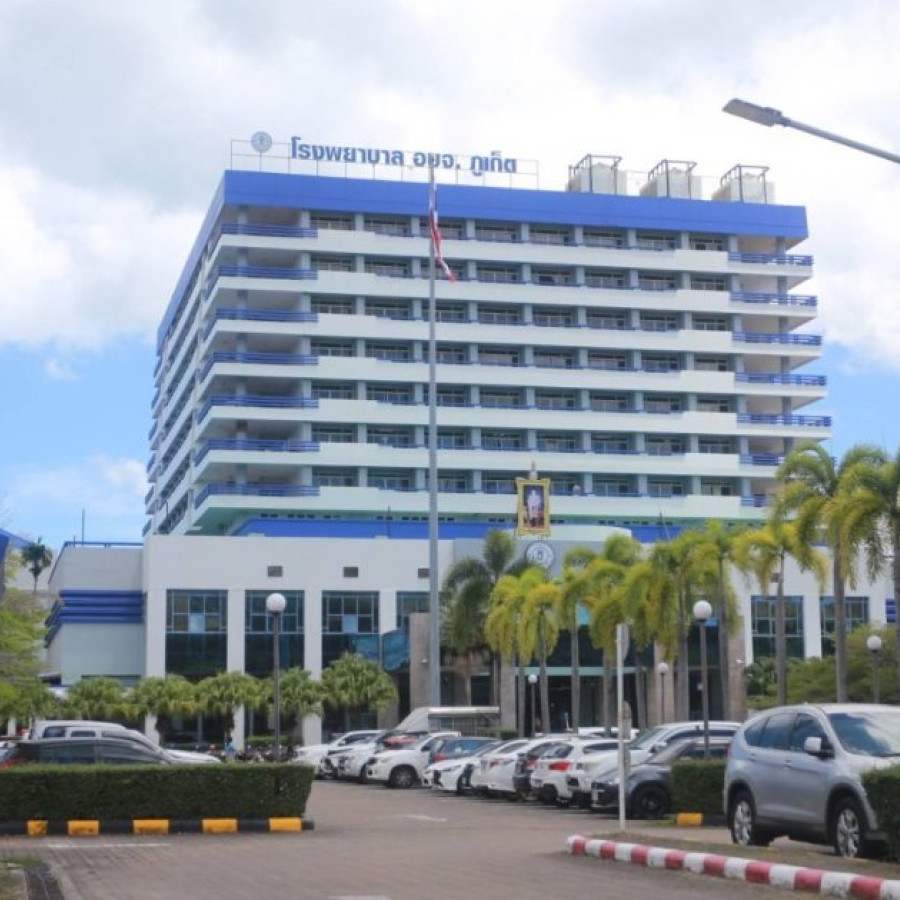
Phuket Provincial Administrative Organization Hospital belongs to the province rather than the ministry, which is why islanders know it as Phuket City Hospital. Its emergency page states accident and emergency cover through the night on a direct line, separate pages set out health check-up programs banded by age, and the remaining departments share one combined services listing. The site is Thai-first and records no interpreter service. At registration, ask which entitlement category applies to you, because what a public hospital charges follows the scheme you belong to.
Thalang Hospital
Thalang Hospital is a district hospital, the tier of the Thai system that handles ordinary illness locally and passes anything larger upward. Its official site functions mainly as an administrative portal in Thai, carrying procurement notices and an insurance cooperation line for inpatient and outpatient claims, but no clinic days, opening hours or department pages. If you live in northern Phuket, the thing to establish now is which provincial hospital it refers serious cases to, because that is where you would end up regardless.
Using the public system without being caught out
Before you book anything based on a ranking like this, it is worth taking a few practical steps to make sure your visit to a public hospital in Thailand goes smoothly. Start by confirming exactly what documentation the hospital expects from foreign patients. Calling ahead or emailing the international patient coordinator, where one exists, is generally a safer bet than assuming your home country's paperwork will be recognized without question.
You should also ask directly about expected wait times, since public hospitals in Thailand often see a much higher volume of patients than private facilities. At the same time, confirm which departments have English-speaking staff available, since language support can differ significantly from one unit to another within the same hospital.
Finally, take time to understand the payment process before you arrive. Public hospitals in Thailand may handle billing differently than private ones, so it is worth asking in advance what forms of payment are accepted and whether your insurance provider needs to be contacted directly by the hospital or by you.
If your plans are flexible and speed is a priority for non-emergency care, it is also worth weighing your public hospital options against what is available in the private sector, since private hospitals in Bangkok are often able to move faster for scheduled or elective visits. Our list of the best hospitals in Bangkok is a useful starting point for that broader view.
King Chulalongkorn Memorial Hospital has an ownership arrangement unusual even inside the public sector: the Thai Red Cross Society runs it, while it simultaneously serves as the teaching hospital of Chulalongkorn University's medical faculty. On its institutional page the Red Cross describes care given to anyone who comes, without discrimination, alongside a role in medical teaching and study. The hospital's own domain refused connections on both days we tried, so clinic hours and departments could not be verified. Anyone considering it should establish first whether the clinic they need takes direct registration or expects a referral letter.