Stem cell therapy in Bangkok can cost anywhere from around THB 80,000 for some localized treatments to more than THB 1 million for intensive multi-day programs. The range is unusually wide because the term stem cell therapy is used for treatments that are very different in purpose, evidence, cell source, dose and regulatory status.
Current Bangkok providers publish examples such as:
- approximately THB 80,000 to THB 150,000 per session at Menscape Clinic, depending on application and cell count
- THB 150,000 for an orthopedic stem cell treatment at Revival Clinic
- THB 500,000 for Revival Clinic's Gold package
- THB 800,000 for its Platinum package
- THB 1,050,000 for its Diamond package
- THB 361,250 for a 30-million-cell local treatment through Health Passport Bangkok
- approximately THB 1.68 million for a five-day 100-million-cell systemic package from the same provider
These are provider-advertised prices, not official national tariffs.
More importantly, price does not tell you whether a stem cell treatment is proven, appropriate or legally authorized for the condition being treated.
Thailand's Department of Medical Sciences has stated that there are currently no mesenchymal stem cell, or MSC, products registered with the Thai FDA, and that most MSC use for disease treatment should be conducted under controlled research frameworks or specific legal pathways. That makes regulatory verification especially important before paying for a private regenerative medicine package.
How much does stem cell therapy cost in Bangkok?
Current public pricing gives the following broad picture:
| Treatment or program | Current published price |
|---|---|
| Selected localized stem cell treatment | From around THB 80,000 |
| Menscape Clinic session | Around THB 80,000 to THB 150,000 |
| Revival Clinic orthopedic stem cell treatment | THB 150,000 |
| Health Passport 30M local MSC treatment | THB 361,250 |
| Revival Clinic Gold package | THB 500,000 |
| Revival Clinic Platinum package | THB 800,000 |
| Revival Clinic Diamond package | THB 1,050,000 |
| Health Passport 100M systemic program | From THB 1,676,200 |
These prices are not directly comparable because they may involve completely different:
- cell counts
- cell sources
- treatment targets
- delivery methods
- laboratory standards
- medical assessments
- included hotel or concierge services
A THB 150,000 joint injection and a THB 1 million systemic program should not be viewed as cheaper and more expensive versions of the same treatment.
Why prices vary so much
Stem cell pricing can change according to several variables.
Cell type
Providers may advertise:
- mesenchymal stem cells, MSCs
- bone marrow-derived cells
- adipose-derived cells
- umbilical cord-derived cells
- hematopoietic stem cells
These are not interchangeable.
Cell count
Some clinics price treatment partly according to the number of cells administered.
Programs may advertise doses such as:
- 30 million cells
- 50 million cells
- 100 million cells
- 200 million cells or more
A larger number does not automatically mean a better clinical outcome.
The relevant question is whether the cell dose is appropriate and supported by evidence for the specific condition.
Delivery method
Treatment may be delivered through:
- local injection into a joint
- intravenous infusion
- injection into a specific tissue
Different delivery routes carry different practical and clinical considerations.
Laboratory and manufacturing costs
Cell preparation can involve:
- collection
- expansion
- testing
- sterility control
- transport
- cryopreservation
- quality documentation
The source and quality-control process are as important as the headline cell number.
Bangkok providers publish very different packages
Revival Clinic currently advertises several MSC packages.
Its public prices include:
- Gold: THB 500,000
- Platinum: THB 800,000
- Diamond: THB 1,050,000
- orthopedic stem cell treatment: THB 150,000
- stem cell treatment for face or hair: THB 100,000
These prices illustrate the difference between localized procedures and large wellness or systemic packages.
Menscape Clinic currently states that stem cell therapy starts at approximately THB 80,000 to THB 150,000 per session, depending on the cell count and application.
Health Passport Bangkok publishes a much higher price structure, including:
- 30 million-cell local injection: THB 361,250
- 100 million-cell five-day systemic program: THB 1,676,200
The latter includes several additional services such as hotel accommodation and other therapies, which makes direct comparison with a simple injection inappropriate.
A package can include much more than stem cells
Some Bangkok regenerative medicine programs bundle cell therapy together with other services.
These may include:
- laboratory tests
- PRP
- exosome therapy
- IV therapy
- hyperbaric oxygen
- peptide treatments
- hotel accommodation
- airport transfer
- medical concierge services
This can make the total package appear expensive even when the actual stem cell component represents only part of the price.
Always ask for a line-item quotation.
You should know how much of the fee relates to:
- consultation
- diagnostics
- cell product
- cell administration
- additional treatments
- accommodation
- transport
What does Thailand officially say about MSC therapy?
This is one of the most important parts of the topic.
Thailand's Department of Medical Sciences has stated that mesenchymal stem cells are considered medical cells under Thai regulation.
It also states that, at present, there are no MSC products registered with the Thai FDA.
According to the Department, MSC products are mainly produced and used for individual patients under specific legal provisions, and disease treatment using MSCs should currently be associated with research under close medical supervision.
This is very different from the broad marketing language sometimes used by commercial clinics.
A clinic being open and advertising publicly does not by itself prove that every claimed use of MSCs is an approved standard treatment.
Thailand has specific medical-cell standards
The Ministry of Public Health issued standards in 2022 governing medical-cell services in healthcare facilities.
The regulations distinguish recognized clinical uses from experimental or investigational applications.
The Department of Medical Sciences also states that cell products should meet strict quality requirements involving areas such as:
- sterility
- purity
- identity
- potency
- viability
In 2026, Thailand introduced additional national standards for cell banks, including quality-management requirements aligned with ISO 20387.
These developments show that Thailand is actively building a regulatory framework for advanced cellular therapies rather than treating the sector as an unrestricted wellness market.
Hematopoietic stem cell transplantation is different
One source of confusion is that stem cell therapy can refer to both established medical transplantation and experimental regenerative treatments.
Hematopoietic stem cell transplantation, often called bone marrow or blood stem cell transplantation, is an established treatment for certain serious hematological diseases.
It can be used in conditions such as:
- leukemia
- lymphoma
- multiple myeloma
- selected bone marrow disorders
This is very different from receiving an MSC infusion for anti-aging, general wellness, erectile function or systemic rejuvenation.
Do not assume that evidence supporting bone marrow transplantation for blood cancers also proves that MSC infusions work for unrelated conditions.
Orthopedic stem cell treatment is one of the lower-cost categories
Joint and musculoskeletal treatments tend to sit at the lower end of Bangkok's advertised stem cell market.
Menscape currently quotes approximately THB 80,000 to THB 150,000 per session depending on the treatment.
Revival Clinic lists orthopedic stem cell treatment at THB 150,000.
These treatments may be marketed for conditions such as:
- knee osteoarthritis
- cartilage injury
- shoulder problems
- other joint conditions
The evidence varies according to condition, product and technique.
Patients should ask what randomized clinical evidence exists for the exact procedure rather than accepting broad claims that stem cells regenerate joints.
Systemic and anti-aging programs are much more expensive
Intravenous MSC programs marketed for anti-aging, longevity or whole-body regeneration often cost several hundred thousand baht or more.
Examples include:
- Revival Gold: THB 500,000
- Revival Platinum: THB 800,000
- Revival Diamond: THB 1,050,000
- Health Passport systemic program: THB 1,676,200
These programs are also the category where marketing claims often extend far beyond well-established clinical evidence.
Terms such as:
- anti-aging
- systemic repair
- longevity
- rejuvenation
- immune optimization
should be treated as marketing descriptions unless supported by high-quality clinical evidence for the specific outcome being promised.
Do more cells mean better results?
Not necessarily.
A clinic may advertise 50 million, 100 million or 300 million cells as though a higher cell count automatically represents a more powerful treatment.
That assumption is not medically sound.
A meaningful treatment protocol should explain:
- why that cell number was selected
- evidence supporting the dose
- expected delivery to the target tissue
- risks associated with administration
- whether the cells are viable at administration
Paying more for a larger cell number is not the same thing as paying for a more effective treatment.
Ask where the cells come from
Cell source is a basic question every patient should ask.
Providers may use cells derived from:
- the patient's own bone marrow
- the patient's own fat
- donated umbilical cord tissue
- other donor tissue
You should know whether the product is:
- autologous, from yourself
- allogeneic, from another donor
For donor-derived products, ask how donors are screened and how the cell product is tested.
A glossy brochure saying clinical-grade stem cells is not enough information.
Ask for quality-control documentation
A credible provider should be able to explain how the cells are tested before administration.
Relevant information can include:
- sterility testing
- identity testing
- viability
- potency assessment
- contamination control
- manufacturing facility
- batch documentation
The Department of Medical Sciences specifically emphasizes sterility, purity, identity, potency and viability as important quality characteristics for cell products.
A certificate of analysis can be useful, but it does not by itself prove that the treatment is clinically effective or legally approved for the condition being treated.
Thai cell-bank standards became stricter in 2026
Thailand's Department of Medical Sciences introduced formal national Cell Bank Standards B.E. 2569 in July 2026.
The standards address how human cells are:
- stored
- controlled
- managed
- released
The framework is intended to improve consistency, quality and safety in cellular medicine and research.
The Department explicitly notes that using stored cells for treatment or producing a medicinal product still has to comply with applicable requirements from authorities such as:
- Thai FDA
- Department of Health Service Support
- Medical Council of Thailand
A clinic mentioning a certified cell bank should therefore not imply that this automatically authorizes every therapeutic claim.
The doctor matters as much as the laboratory
Stem cell treatment should not be selected solely according to the company manufacturing the cells.
Ask who is medically responsible for:
- determining the indication
- reviewing medical history
- choosing the treatment
- administering the cells
- managing complications
The doctor should be licensed in Thailand.
You can independently verify a physician through the Medical Council of Thailand's official doctor database.
If the clinic markets itself primarily through sales coordinators, insist on speaking with the treating physician before making a large payment.
Be cautious with guaranteed outcomes
Stem cell therapy is particularly vulnerable to exaggerated claims because the science sounds sophisticated and patients may be seeking solutions for difficult chronic conditions.
Be cautious if a clinic guarantees:
- cartilage regrowth
- reversal of aging
- cure of neurological disease
- permanent erectile function improvement
- complete immune rejuvenation
- treatment of many unrelated diseases with the same IV infusion
A legitimate clinician should discuss uncertainty and limitations.
If a treatment supposedly fixes everything from arthritis to memory, sexual function, fatigue and aging, the breadth of the claim itself is a warning sign.
Ask whether the treatment is standard care or research
This question can reveal a lot.
Ask:
Is this an approved standard treatment for my condition, or is it experimental or investigational?
If it is investigational, ask:
- Is there a registered clinical trial?
- Has an ethics committee approved it?
- What evidence supports the treatment?
- Who is monitoring safety?
- How are adverse events reported?
Thailand's Department of Medical Sciences specifically references ethics committee or IRB approval when cells are collected or used within clinical research projects.
What conditions have the strongest evidence?
The evidence depends heavily on the stem cell type.
Established uses include hematopoietic stem cell transplantation for selected blood diseases.
Other areas, such as orthopedic MSC therapy, are actively studied and may have supportive evidence in selected contexts, but outcomes are not universal and protocols are not standardized.
Claims involving:
- general anti-aging
- longevity
- systemic rejuvenation
- broad neurological restoration
- wellness optimization
should be assessed much more cautiously.
Do not extrapolate evidence from one disease or cell type to another.
Side effects and risks are not zero
Risks depend on the product and method of administration.
Potential concerns can include:
- infection
- contamination
- immune reaction
- infusion reaction
- injection-related injury
- thrombosis
- unexpected tissue effects
The risk profile of a local injection is different from that of an intravenous donor-cell infusion.
A clinic should explain the specific risks of the exact product and route you are considering.
Statements such as completely safe or zero-risk should be treated skeptically.
What happens before treatment?
A responsible clinic should not move directly from WhatsApp inquiry to infusion.
Assessment may include:
- medical history
- diagnosis confirmation
- current medications
- laboratory tests
- imaging
- review of previous treatments
- discussion of expected benefits and uncertainty
For orthopedic problems, current imaging may be necessary to confirm the extent and location of joint damage.
For systemic programs, ask what medical indication is actually being treated rather than accepting vague language about regeneration.
What is included in a stem cell package?
Before comparing prices, ask whether the quote includes:
- physician consultation
- diagnostic tests
- cell preparation
- cell product
- administration
- imaging guidance
- medication
- follow-up
- management of complications
- hotel
- airport transfer
Some high-end packages in Bangkok include substantial travel and wellness components.
Health Passport's systemic program, for example, includes hotel accommodation and several additional therapies beyond stem cells.
That makes its price unsuitable for direct comparison with a standalone clinic injection.
How long do you need to stay in Bangkok?
Localized treatment may be performed in a single day, although follow-up timing varies.
More elaborate programs can last several days.
Health Passport currently markets:
- a one-day local injection program
- a five-day systemic program
If you are traveling internationally, ask how long the doctor wants you to remain nearby after treatment in case an adverse reaction occurs.
Do not plan a long-haul flight immediately after a treatment without medical advice.
Medical tourism adds extra cost
International patients should budget beyond the treatment itself.
Possible additional costs include:
- flights
- hotel
- local transportation
- medical imaging
- laboratory testing
- repeat consultations
- companion travel
Some premium programs bundle these items, while others charge only for treatment.
Always compare the total trip cost rather than only the advertised stem cell fee.
Questions to ask a Bangkok stem cell clinic
Before paying, ask:
- What exact type of stem cell will I receive?
- Where do the cells come from?
- Are they autologous or donor-derived?
- How many cells will be administered?
- Why is that dose appropriate?
- What route of administration will be used?
- What evidence supports this treatment for my specific diagnosis?
- Is this standard care or investigational treatment?
- Is the cell product registered with the Thai FDA?
- If it is not registered, under what legal pathway is it being used?
- Which laboratory produces the cells?
- Can I see sterility, viability and identity testing?
- Who is the treating doctor?
- Can I verify the doctor's Thai medical licence?
- What complications have occurred in your patients?
- What happens if I have a serious reaction?
- What exactly is included in the price?
- What follow-up is included?
A clinic offering a six-figure treatment should be able to answer these questions clearly.
Red flags when comparing stem cell clinics
Be cautious when a provider:
- claims one cell treatment can treat many unrelated diseases
- guarantees regeneration
- uses only testimonials as evidence
- refuses to identify the cell source
- cannot explain regulatory status
- does not provide quality-control documentation
- pressures you to pay quickly
- promotes treatment before reviewing your diagnosis
- treats higher cell counts as proof of better results
Scientific terminology can make weak evidence sound more convincing than it is.
The practical cost range
For someone researching current Bangkok prices, a reasonable headline is:
approximately THB 80,000 to THB 150,000 for some localized treatments, THB 300,000 to THB 500,000 for more substantial programs, and THB 800,000 to more than THB 1.5 million for large systemic or multi-day packages.
Current published examples include THB 150,000 for orthopedic treatment at Revival Clinic, THB 500,000 to THB 1,050,000 for its larger packages, and THB 361,250 to THB 1,676,200 for selected Health Passport programs.
But stem cell therapy is not a product where the cheapest or most expensive clinic can be judged solely from price.
Thailand's own Department of Medical Sciences states that no MSC products are currently registered with the Thai FDA and places important restrictions around their therapeutic use. For international patients, regulatory status, evidence, cell quality and physician oversight should be checked before comparing package prices.
Frequently Asked Questions
How much does stem cell therapy cost in Bangkok?
Current advertised prices range from around THB 80,000 for some localized procedures to more than THB 1 million for large systemic or multi-day programs. The cost depends on cell type, dose, delivery method and what the package includes.
How much is stem cell treatment for a joint in Bangkok?
Current providers advertise some orthopedic or localized stem cell treatments at around THB 80,000 to THB 150,000 per session. Revival Clinic currently lists orthopedic treatment at THB 150,000.
How much does a 100 million cell treatment cost in Bangkok?
One current Bangkok provider, Health Passport, lists a five-day 100-million-cell systemic program from approximately THB 1.676 million, including several additional treatments and hotel services.
Are stem cell treatments legal in Thailand?
Thailand regulates medical-cell services. The Department of Medical Sciences states that there are currently no MSC products registered with the Thai FDA and that many MSC uses should occur under appropriate research or specific legal frameworks. Legality depends on the exact product and use.
Are MSC treatments approved in Thailand?
Thailand's Department of Medical Sciences states that no mesenchymal stem cell products are currently registered with the Thai FDA. Patients should ask under what regulatory pathway a clinic is providing the treatment.
Why is stem cell therapy so expensive in Bangkok?
Costs can include cell collection or sourcing, laboratory expansion, quality testing, cell count, administration, imaging, physician care and additional bundled services such as IV therapies, hotels and transport.
Does a higher stem cell count mean better results?
Not necessarily. A larger cell number does not automatically produce better outcomes. The appropriate dose depends on the cell type, indication, delivery method and supporting clinical evidence.
What should I check before booking stem cell therapy in Bangkok?
Confirm the exact cell type and source, cell count, evidence for your condition, Thai regulatory status, quality-control testing, treating doctor's licence, possible risks and what is included in the price.
Is anti-aging stem cell therapy proven?
Broad claims that stem cell infusions reverse aging or provide whole-body rejuvenation should be treated cautiously. Evidence varies substantially by indication, and marketing claims should not be confused with established clinical benefits.
Sources
- Thailand Department of Medical Sciences - Mesenchymal Stem Cell Production, Quality Control and Regulatory Status
- Thailand Ministry of Public Health - Medical Cell Service Standards B.E. 2565
- Revival Clinic Bangkok - Stem Cell Treatment Prices
- Menscape Clinic - Stem Cell Therapy
- Health Passport Bangkok - Stem Cell Therapy Programs
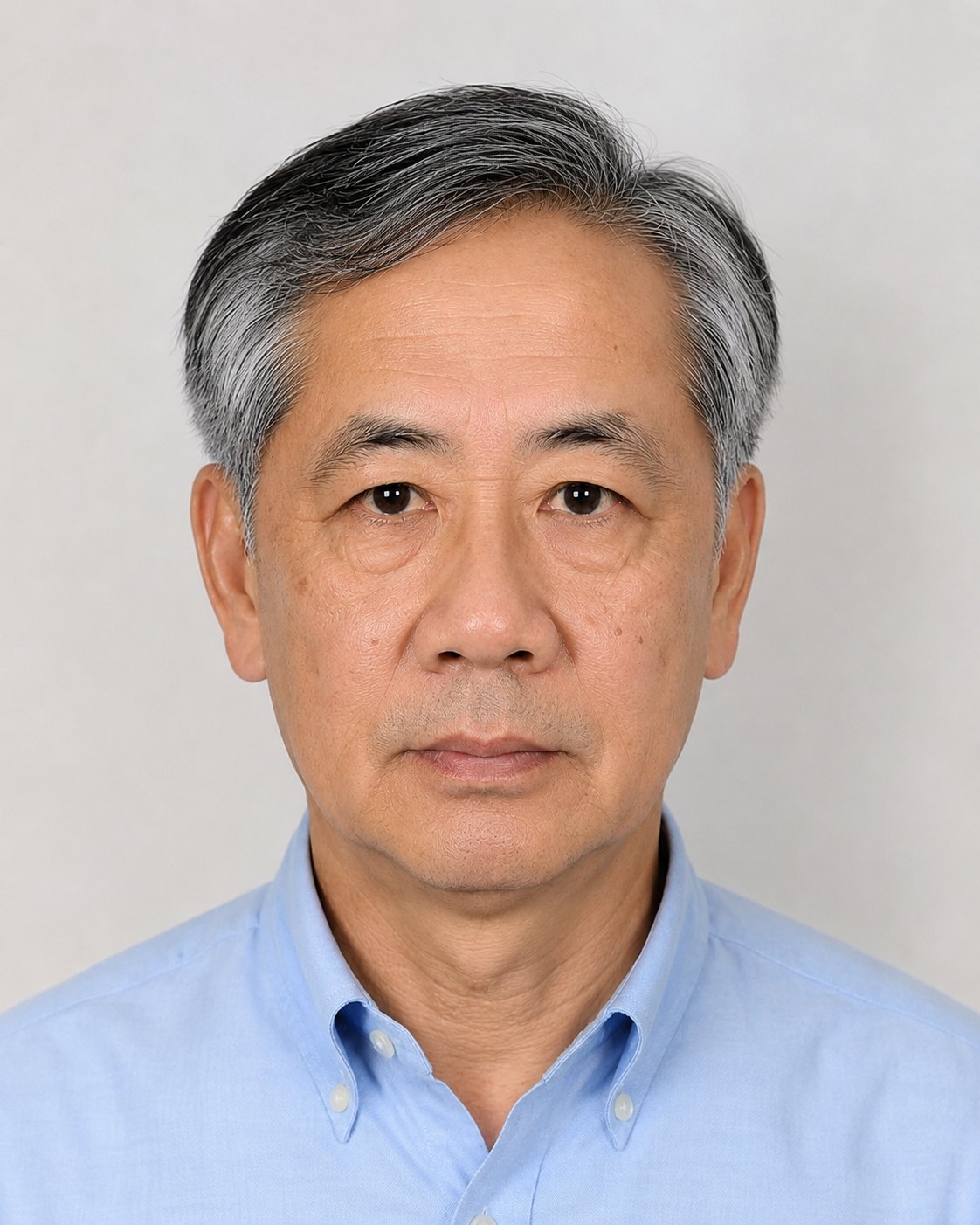
Writer
Niran Chaiyasit
Niran Chaiyasit is a Thai health writer with a background in public health and a focus on travel health, disease prevention and healthcare access in Thailand. His work covers topics such as common illnesses, vaccinations, mosquito-borne diseases, food safety and practical health information for travelers and expatriates.
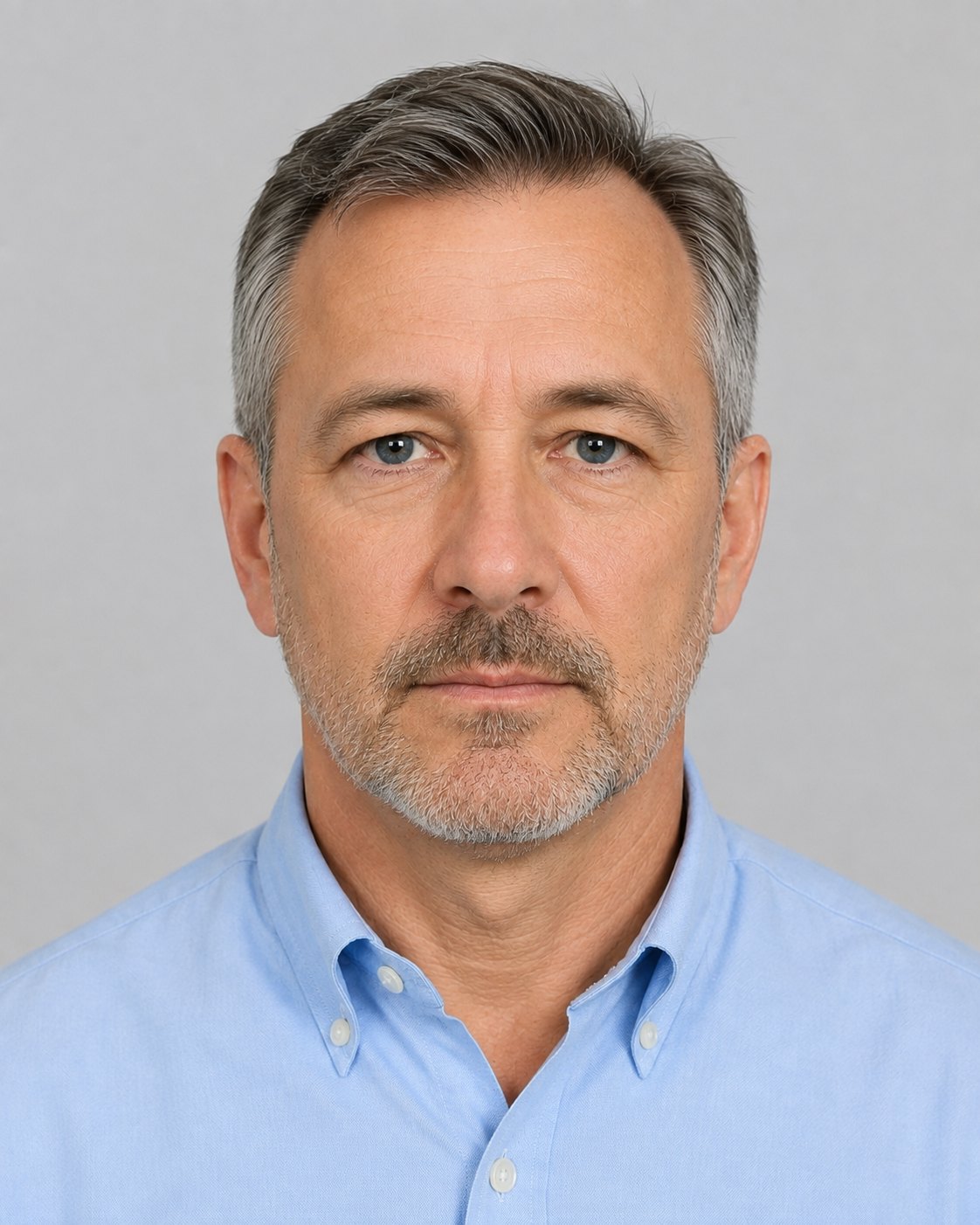
Medical review
Justin Brooks
Daniel Brooks is an American health writer with a background in health sciences and a focus on rehabilitation, musculoskeletal health and patient education. He writes about physiotherapy, injury recovery, pain management, preventive health and practical healthcare guidance for international patients and travelers.