
Bangkok dental education includes public and private faculties offering Thai, bilingual and international Doctor of Dental Surgery pathways. These four schools publish official program information and have current recognition from the Dental Council of Thailand, but admissions, language and fees vary considerably.
Dental schools offering DDS study in Bangkok
This comparison includes Bangkok institutions with an official Doctor of Dental Surgery program, a verified campus and current recognition listed by the Dental Council of Thailand. The order is editorial rather than a quality score, and applicants should confirm admissions, language, fees and current accreditation directly.
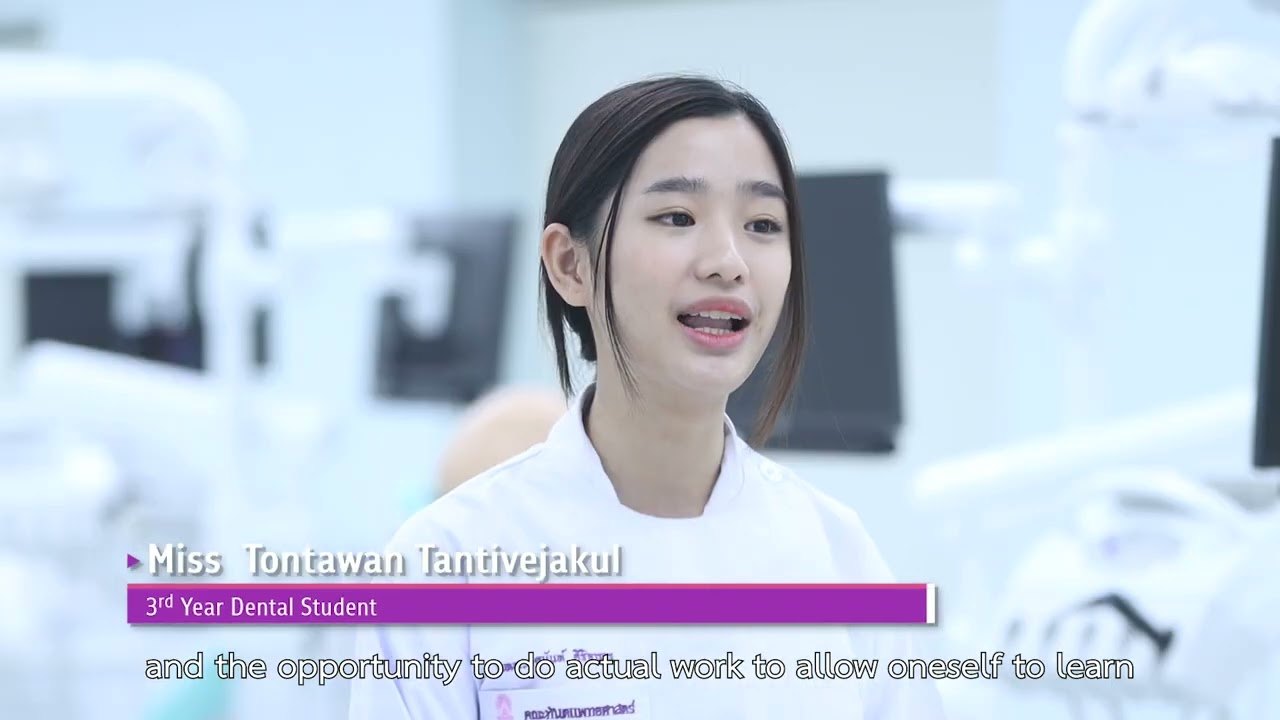
Mahidol International Dental School
Mahidol International Dental School (MIDS) publishes English-medium study and admissions for both Thai and non-Thai students, with instruction spread across several Mahidol sites. Candidates should check the latest intake rules, tuition and clinical language requirements before applying.

Faculty of Dentistry, Srinakharinwirot University
The Faculty of Dentistry, Srinakharinwirot University appears in the university prospectus with its own DDS degree, and the Dental Council lists current recognition for both its regular and bilingual routes. Applicants should request the latest curriculum and admissions notice.
Faculty of Dentistry, Bangkokthonburi University
The Faculty of Dentistry, Bangkok Thonburi University is listed in university materials alongside its DDS degree, and the Dental Council includes the program among recognized domestic institutions. Applicants should confirm the current course duration, intake criteria, teaching language and total fees.
How to compare dental schools in Bangkok
Start with eligibility and teaching language. Thai, bilingual and international programs can have different citizenship, school qualification, science prerequisite and English proficiency rules. Read the current admission notice for the exact program before preparing an application.
Compare clinical education as closely as classroom study. Ask when patient care begins, where students complete rotations, how clinical cases are assigned and whether training takes place at university hospitals, community sites or external partner facilities.
Check professional recognition for the years you expect to enrol. Dental Council accreditation applies to stated periods, and studying in Thailand does not automatically establish eligibility for registration in another country. Confirm the pathway with every regulator relevant to your plans.
Finally, calculate the full cost across six years, including tuition, instruments, clinical materials, uniforms, insurance and living expenses. Request the current fee schedule and refund rules directly from the university. If you are weighing Bangkok against other regions, it is worth comparing this list against the wider dental schools across Thailand, since a program's clinical caseload, teaching language and total cost can vary more between cities than between individual Bangkok faculties.
The Faculty of Dentistry, Chulalongkorn University publishes a curriculum built around problem-based learning in the early years, moving into case-based clinical education later in the program. Applicants should verify the current TCAS route and Thai-language expectations directly with the faculty.