
Thailand's best hot springs range from forest geysers in northern national parks to warm cascades in Krabi and community bathing pools near the Malaysian border. They are not interchangeable. At some sites, the geothermal source is for viewing or boiling eggs while bathing takes place in a separate, temperature-controlled pool. Others offer a more informal soak in a stream or outdoor basin.
This guide is written for expats, residents and international visitors who need more than a list of place names. Each entry explains the setting, the kind of bathing or access described by an official source, and the practical uncertainty to resolve before making a long detour.
How these hot springs were selected
The selection prioritises named geothermal destinations with documented public access and a bathing, soaking, footbath or shower component. Scenic hot sources were included only when there is a distinct visitor experience and the official information makes clear how people interact with the site.
Hot springs to consider across Thailand
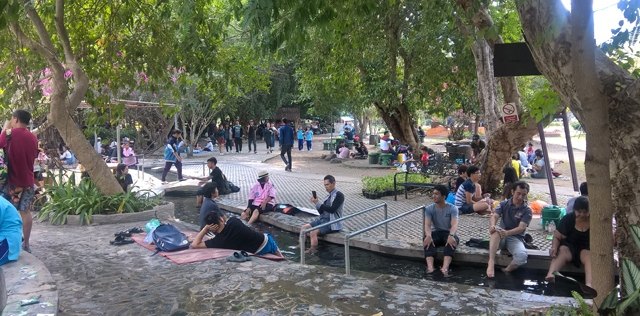
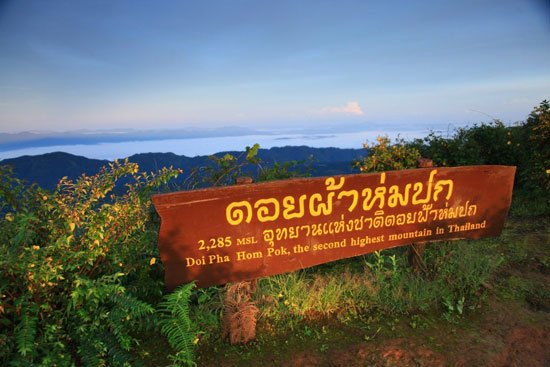
Fang Hot Spring
Choose Fang when the hot spring is part of a wider northern road trip, not as a casual city-centre excursion. The distance from Chiang Mai is substantial, and park services can change, so confirm road access, admission, accommodation and which indoor or outdoor bathing facilities are available on your date.
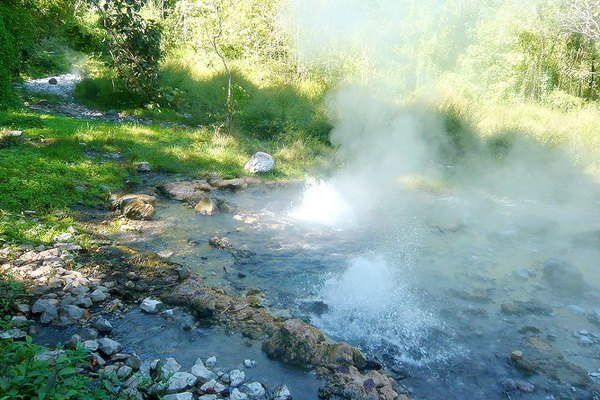
Pong Dueat Pa Pae Hot Spring
The forest approach and active geothermal source make this more compelling for nature-focused travellers than for anyone expecting a polished spa. Do not enter the geyser area, and check with the park whether mineral baths are open, how far the walk is and whether weather has affected the access road.
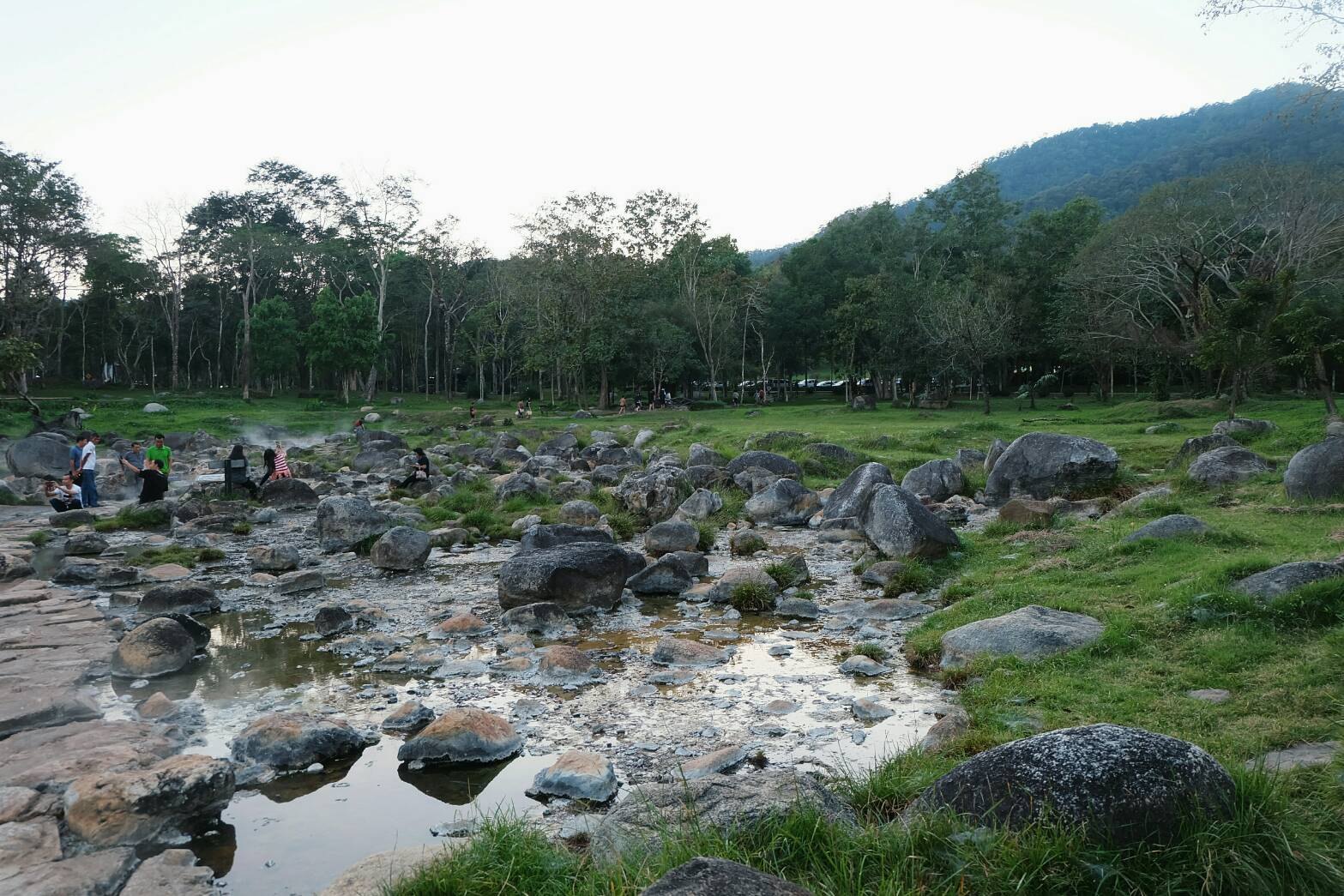
Chae Son Hot Spring
Chae Son works well for travellers who want more than a short soak because the national park setting supports a broader day out. The steaming source pools are not the bathing area, and water levels or park operations may vary, so confirm bath availability and waterfall conditions before setting off.
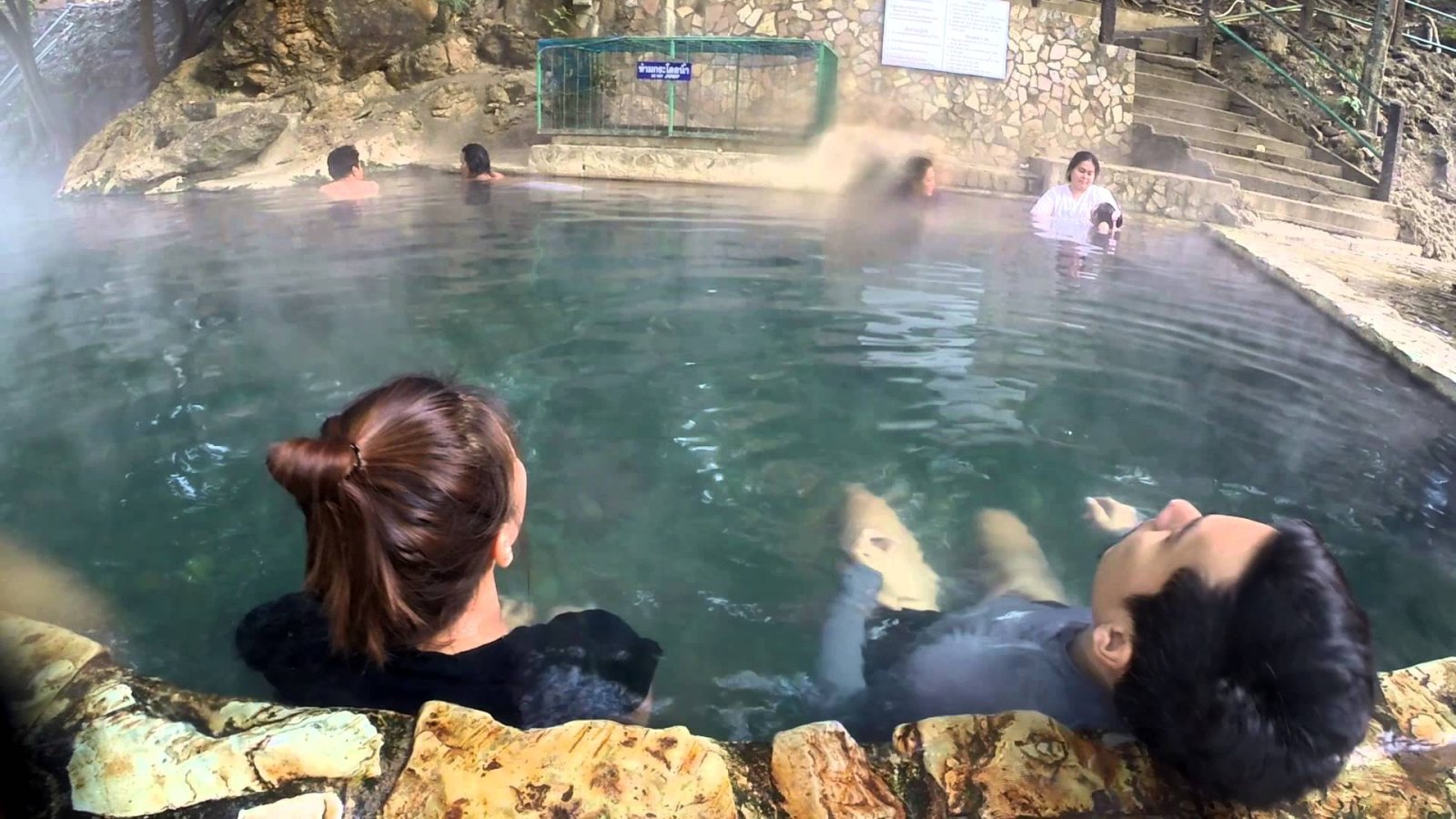
Hin Dat Hot Spring
The contrast between the warm pools and neighbouring stream gives Hin Dat a clear sense of place, but it is much farther from Kanchanaburi town than many first-time visitors expect. Confirm current fees, changing facilities, crowd levels and road conditions before building the journey into a day trip.
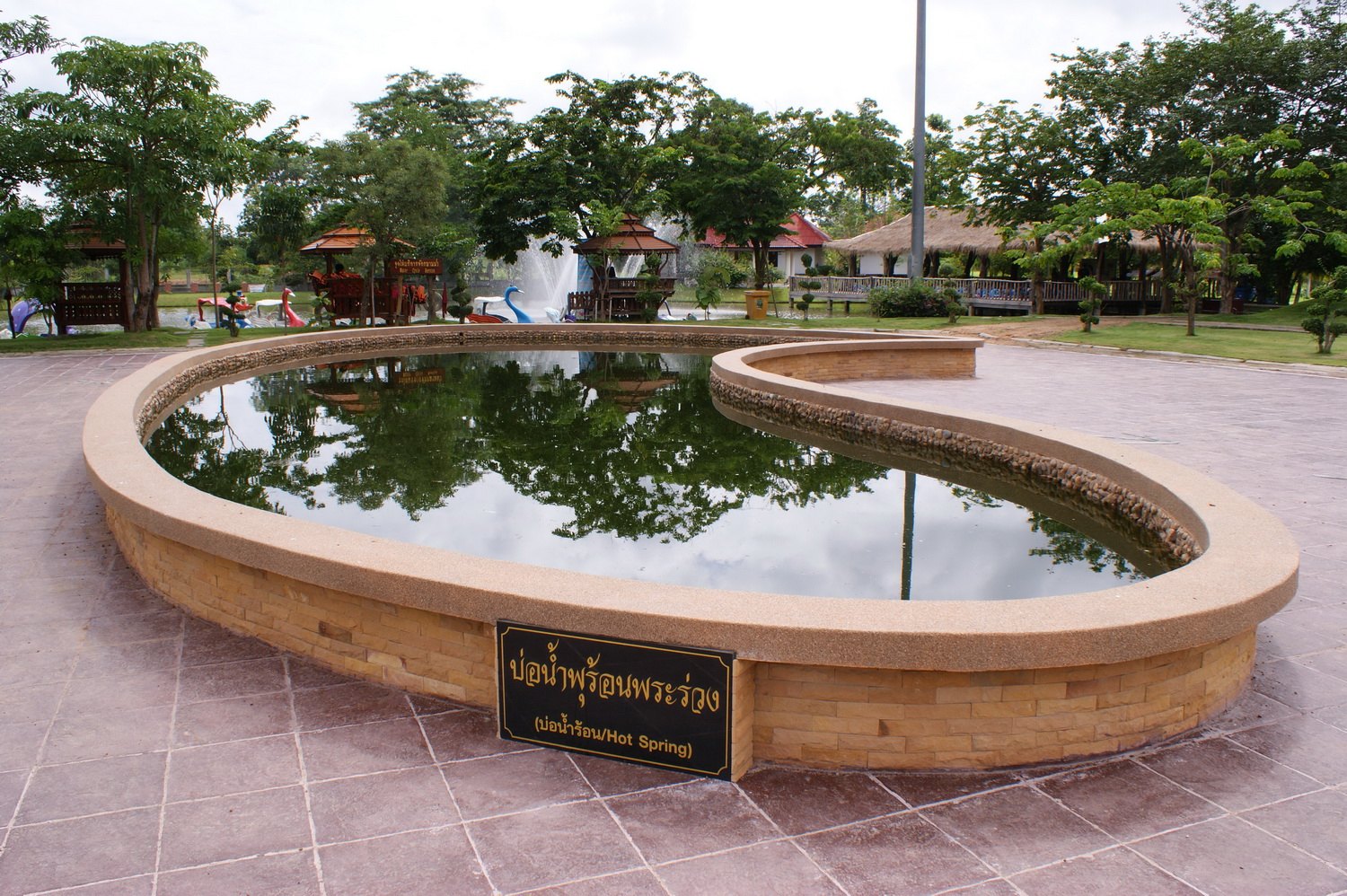
Phra Ruang Hot Spring (Bueng Sap)
This is a sensible break for travellers driving through lower northern Thailand and wanting a developed facility rather than a remote forest trek. English information is limited, so call ahead to verify bath access, opening hours, payment and whether staff can explain which pools are safe for soaking.
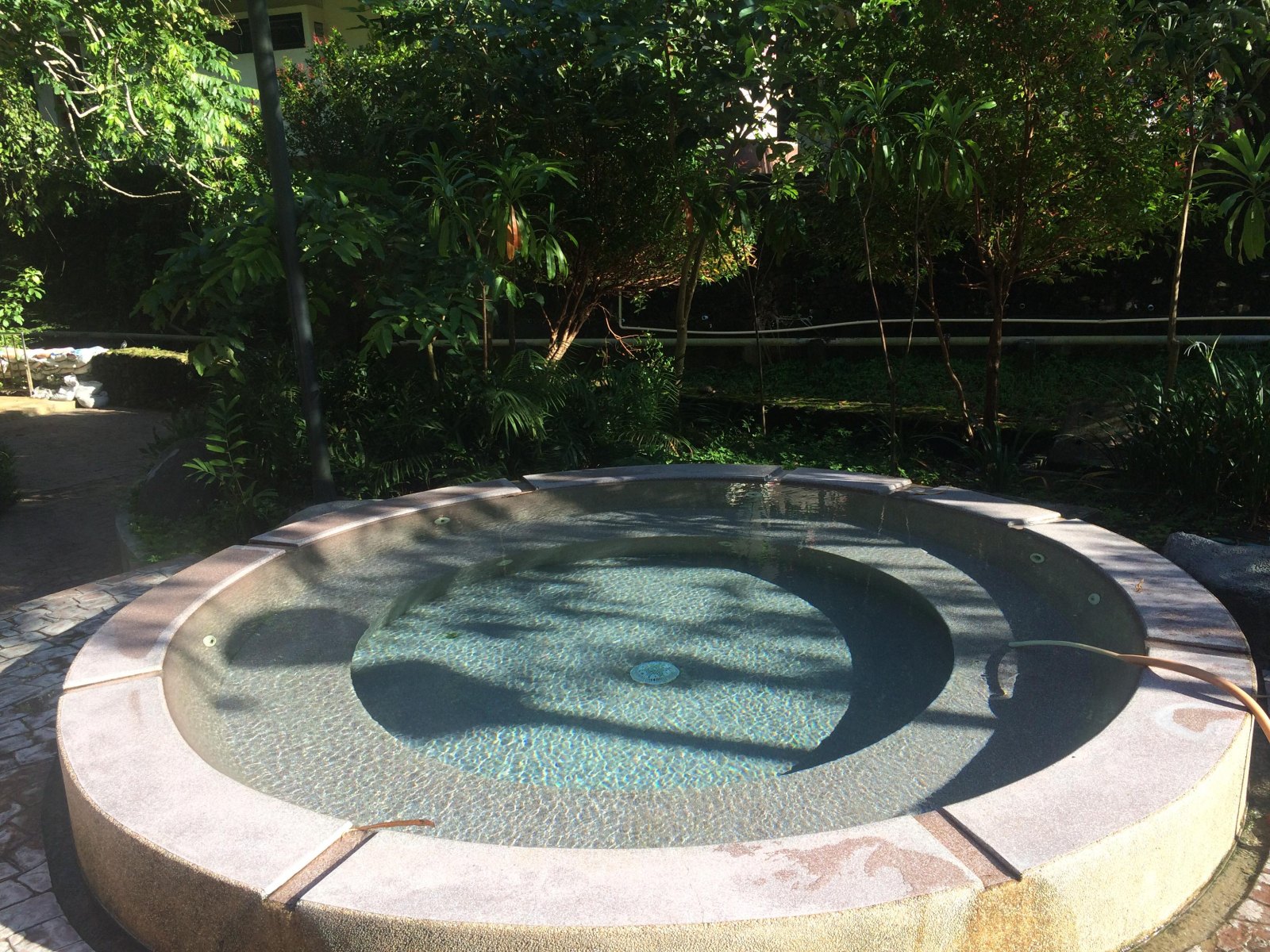
Raksawarin Hot Springs and Public Park
Raksawarin suits visitors who want a low-logistics introduction to Ranong's geothermal water without a long forest drive. The park and the usable bathing facilities are not necessarily the same thing, so confirm which pools permit soaking, what is free or paid, and when changing areas close.
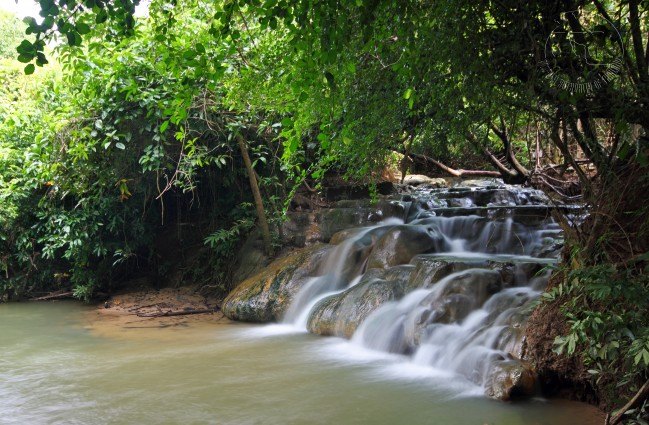
Khlong Thom Hot Spring Waterfall
Few entries here have such a distinctive natural form, which also explains why this site can become busy. Arrive with realistic expectations about shared space, slippery surfaces and limited privacy, and check current entrance arrangements plus any temporary restrictions after heavy rain.
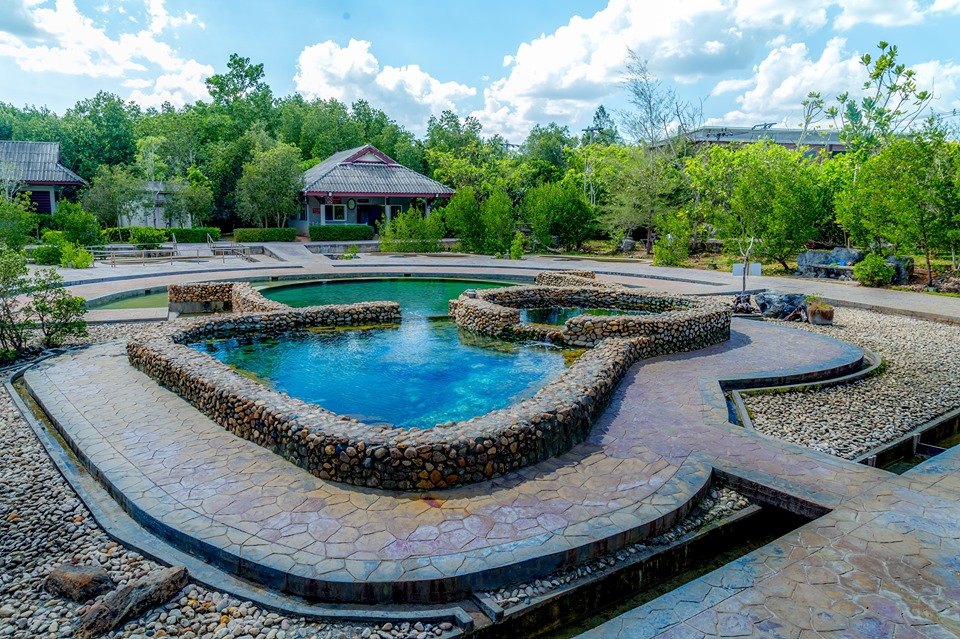
Khlong Thom Salt Hot Spring
Do not confuse this facility with the better-known Hot Spring Waterfall, since the setting and bathing format are different. It suits travellers interested in a structured soak, but they should verify current public access, pool maintenance, opening times and transport before visiting.
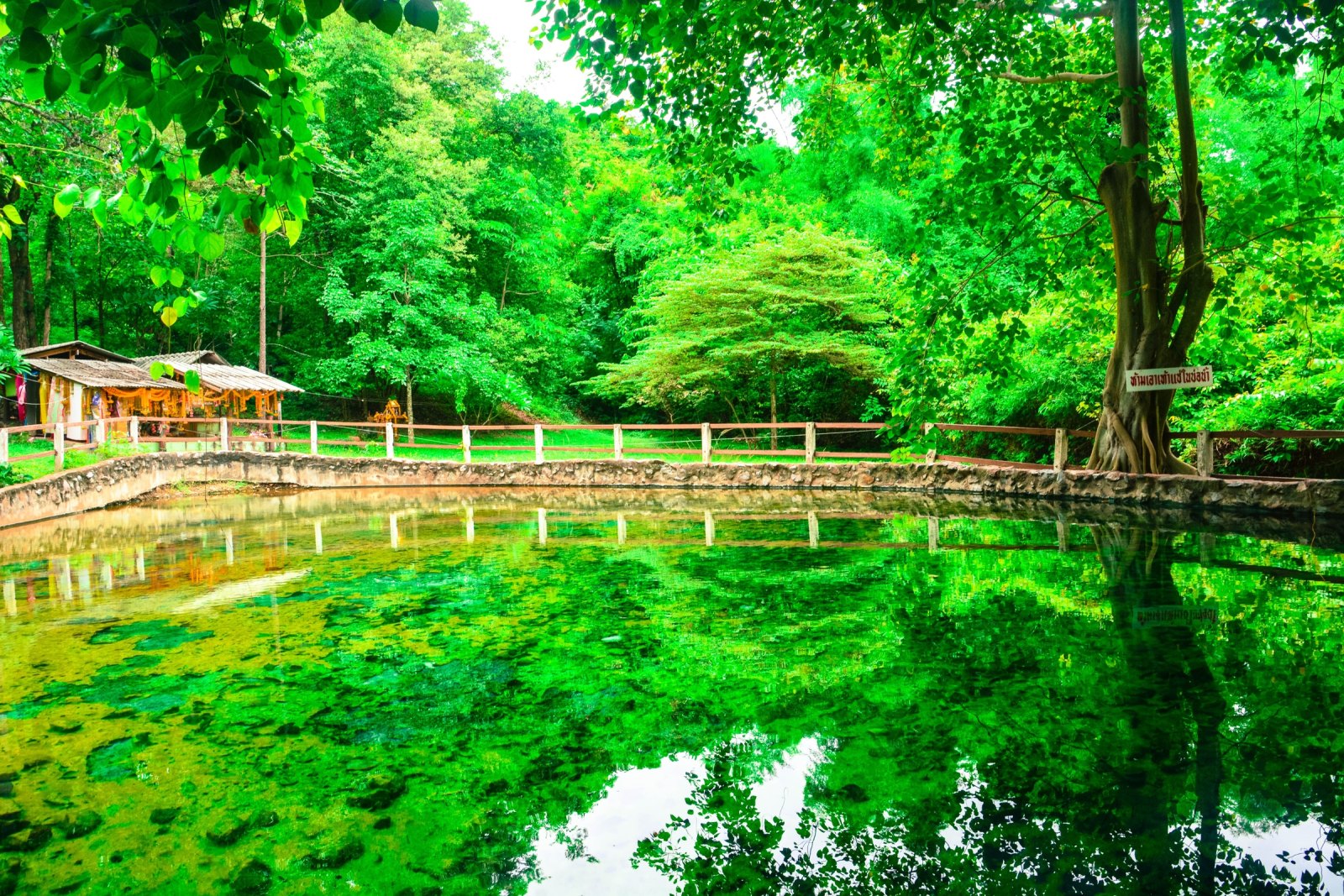
Nong Ya Plong Hot Spring
This option is most relevant to self-drivers already exploring inland Phetchaburi, rather than travellers expecting a polished resort. Official location descriptions are not perfectly consistent, so verify the correct entrance, current bath-room access, fees and opening hours with a local authority before departure.
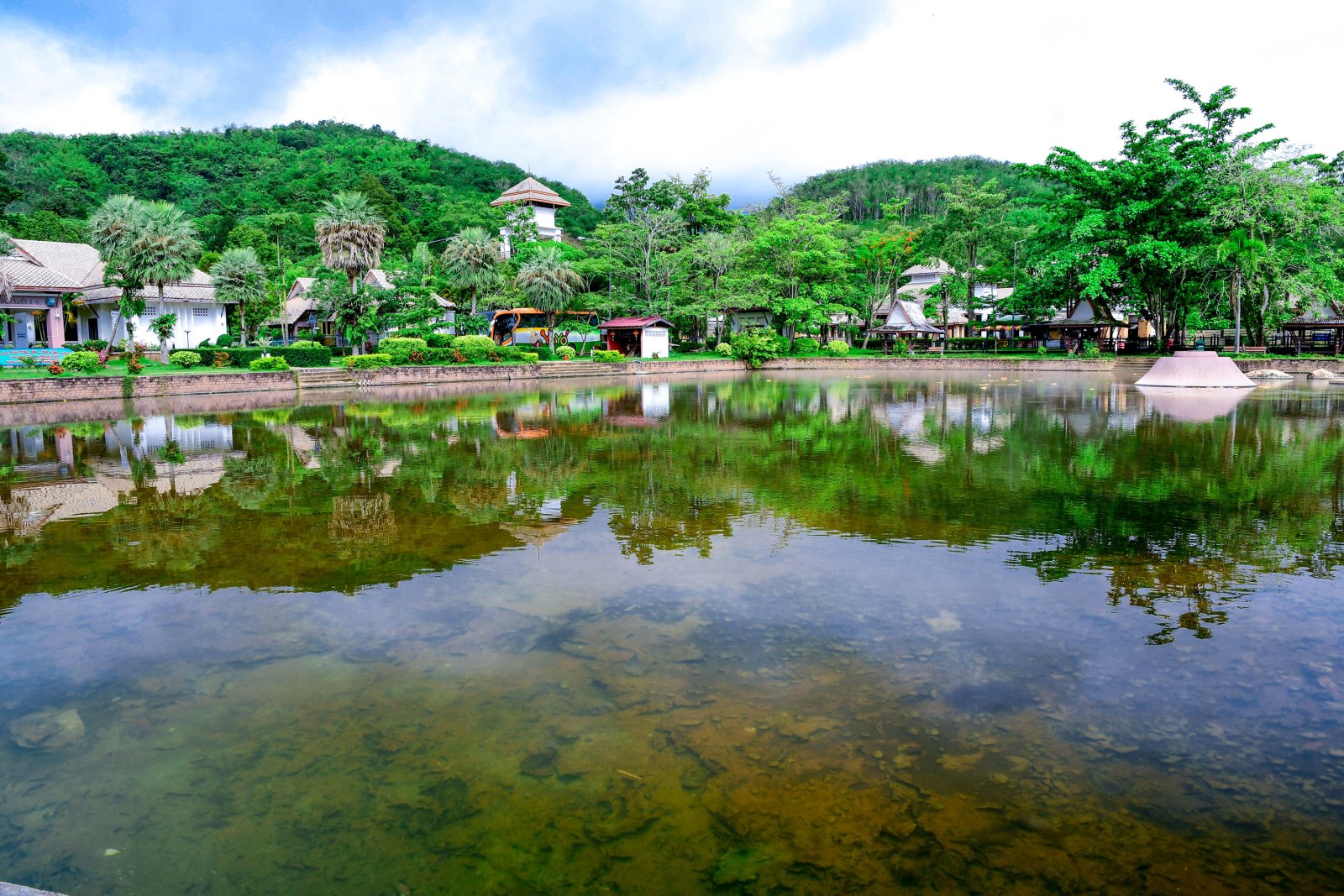
Betong Hot Spring
Betong is a meaningful stop for travellers already visiting Thailand's far south, particularly because the surrounding district feels distinct from mainstream resort routes. Check current security advice for Yala, confirm transport and bath access locally, and never mistake the boiling source for the temperature-controlled soaking areas.
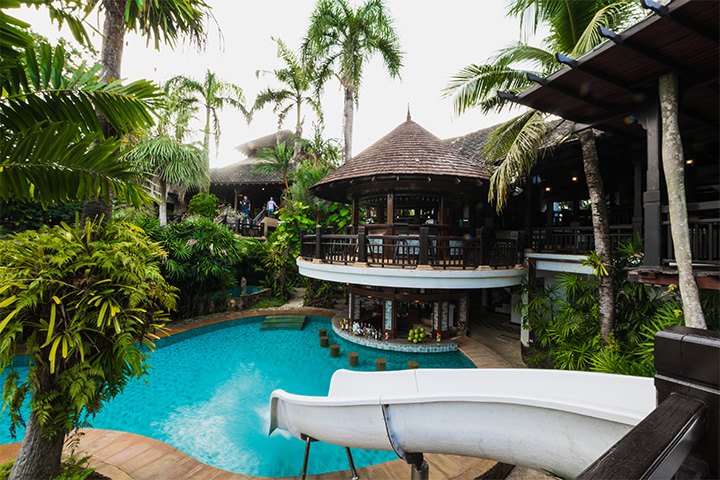
The Hotspring Beach Resort & Spa
This is the most commercial entry in the selection, but it is useful for travellers who prefer predictable changing facilities and a managed pool environment. Check the current day-pass price, service hours, advance-booking rules and whether all hot spring pools are included before making the trip from Phuket or Phang Nga.
Choosing the right spring for your Thailand itinerary
Start with the experience you actually want. Khlong Thom Hot Spring Waterfall and Hin Dat place the water in a notably natural setting, while Raksawarin and Phra Ruang are easier to understand as developed public attractions. Fang, Pong Dueat Pa Pae and Chae Son fit northern road trips, but they require more attention to park access, journey time and seasonal conditions. Betong and the Phang Nga resort entry reward travellers already exploring the south rather than anyone looking for a quick add-on from Bangkok.
Before leaving, confirm whether the bathing area is open, whether advance booking applies, what clothing is expected and whether towels or lockers are available. Bring footwear with grip, drinking water and a change of clothes. Never enter a source pool unless signs explicitly permit it, since the water emerging from the ground can be far hotter than the designated bathing area. Travellers should also review common illnesses affecting visitors in Thailand and keep the country's medical emergency numbers and practical steps available.
Finally, judge the detour honestly. A simple community footbath can be worthwhile when it lies on your route, but it may disappoint if treated as a full-day destination. Conversely, a national park spring can work well when paired with a waterfall, forest walk or overnight stop. Check recent notices from the responsible authority on the day of travel, allow extra time for rural roads, and choose the spring whose access level and facilities match your group.
This is a practical choice for travellers who want a well-known hot spring stop without committing to a remote national park. Treat the erupting source as a viewing area, not a bathing pool, and confirm which private baths, shared pools and foot-soak facilities are operating before travelling from Chiang Mai.