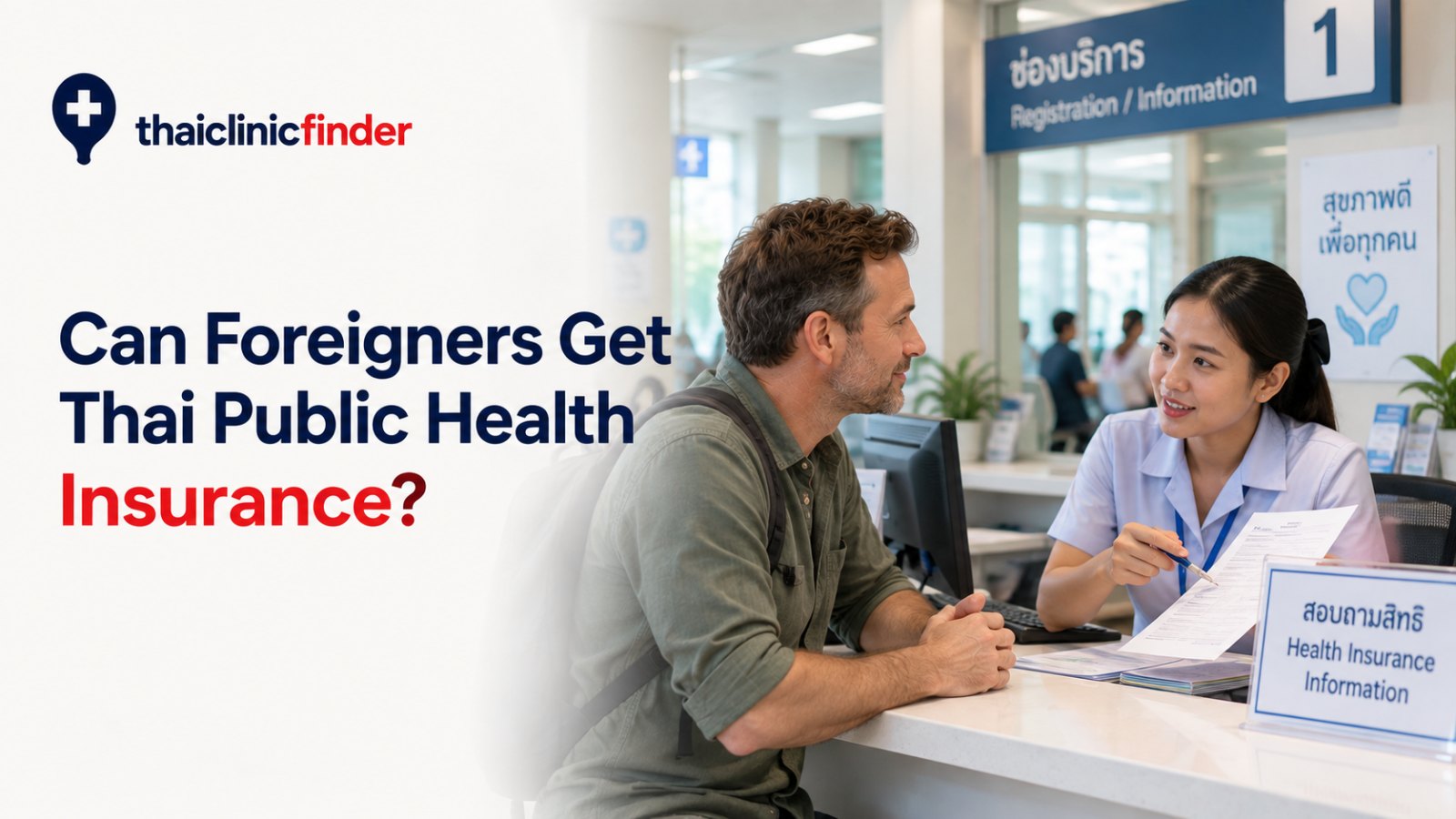
Foreign residents in Thailand do not automatically receive the same public healthcare entitlement simply because they hold a visa, own property or have lived in the country for several years.
The main public route available to many foreign employees is Thailand's Social Security system, particularly for workers insured under Section 33. Other schemes exist for specific migrant-worker groups, while Thailand's Universal Coverage Scheme is primarily a Thai public entitlement rather than a general expat health plan.
The practical answer therefore depends on employment status and the scheme under which the person is registered.
Section 33 is the key route for many foreign employees
Thailand's Ministry of Labour has confirmed that foreign workers insured under Social Security Section 33 receive medical treatment rights under the Social Security system.
In a March 2025 statement, the Ministry specifically said that foreign workers within Section 33 have the same medical treatment rights as Thai insured workers under that scheme.
This is important because foreign workers sometimes assume that private insurance is their only option.
If you are formally employed in Thailand and Social Security contributions are being made correctly, check your Section 33 registration before paying for duplicate medical cover.
Social Security is not the same as the Universal Coverage Scheme
Thailand has several public healthcare financing systems.
For foreigners, it is important not to treat them as interchangeable.
The Universal Coverage Scheme, often associated with the "gold card" or 30-baht system, is not automatically granted to every foreign resident.
A foreigner with a retirement visa, tourist visa, DTV or other lawful status should not assume that residence alone creates eligibility for Thailand's Universal Coverage Scheme.
By contrast, Social Security medical rights arise from qualifying insured status within the employment system.
How Section 33 medical care works in practice
Section 33 is linked to formal employment.
Eligible employees and employers contribute to the Social Security system according to Thai law.
Medical care is then accessed through the Social Security framework, normally with a registered hospital or healthcare facility under the scheme.
The exact registration process and provider selection should be checked with the Social Security Office or employer because administrative details can change.
If you change jobs, leave insured employment or move to another status, do not assume your medical entitlement continues unchanged.
What foreign workers should verify with their employer
Ask HR, payroll or the employer:
- Am I registered under Social Security Section 33?
- What is my Social Security number?
- Which hospital is registered for my medical care?
- Are contributions current?
- How do I change the registered hospital if needed?
- What happens to my medical rights if employment ends?
Do not rely only on a salary slip.
If there is uncertainty, confirm your insured status directly through official Social Security channels.
Social Security can satisfy some visa health criteria
For certain Long-Term Resident, or LTR, visa categories, BOI currently allows qualifying Thai Social Security medical benefits as an alternative to the private health insurance requirement.
BOI's current LTR rules state that applicants can satisfy the health protection element through one of several routes, including:
- health insurance with at least USD 50,000 coverage
- qualifying Thai Social Security benefits
- a qualifying bank deposit
The precise documents required depend on the LTR application.
This does not mean every visa accepts Social Security as an insurance substitute. Immigration requirements are visa-specific.
Retirees usually need another solution
A foreign retiree who is not working in Thailand normally will not be newly enrolled under Section 33 simply because they live in the country.
Retirees therefore commonly use:
- private Thai health insurance
- international private medical insurance
- self-pay healthcare
- qualifying visa-specific financial arrangements where permitted
If you are retiring after a period of Thai employment, ask the Social Security Office whether any continuation route is available in your individual circumstances rather than assuming Section 33 continues.
Digital nomads are not automatically in Social Security
A remote worker living in Thailand while employed by a company abroad may not have a Thai employer making Section 33 contributions.
Likewise, having a DTV does not itself enroll someone into Thailand's public health system.
Digital nomads should therefore establish their actual healthcare status rather than assuming a long-stay visa includes public medical coverage.
For many, private health insurance remains the main route.
Migrant-worker schemes are different from expat insurance
Thailand also operates healthcare arrangements for some migrant workers who are not covered by Social Security.
These systems have historically included health insurance programmes administered through public health authorities for eligible migrant-worker groups.
The eligibility rules, nationality categories, registration procedures and employment requirements are specific.
A Western expat, retiree or digital nomad should not assume that a migrant-worker scheme applies to them.
If you are a worker from a neighboring country employed under a migrant-worker framework, use current Ministry of Public Health and Ministry of Labour information for your category.
Public hospitals are still available to self-paying foreigners
Not being covered by a Thai public insurance scheme does not mean a foreigner is barred from government hospitals.
Foreigners can seek treatment in public hospitals and pay according to the applicable hospital and foreign-patient charging arrangements.
This is different from having public insurance.
A self-paying foreign patient may receive excellent treatment at a government hospital while still being responsible for the bill.
For an overview of public and private access, read How Healthcare Access Works in Thailand.
Why private insurance can still be useful with Social Security
Some foreign employees keep private insurance even though they have Section 33 rights.
Possible reasons include:
- broader private hospital choice
- private rooms
- shorter administrative pathways
- international coverage
- higher-cost benefits outside Social Security rules
This is a personal financial decision rather than evidence that Social Security is inadequate.
Before paying for both, identify what the private policy adds.
Public entitlement does not equal cashless access everywhere
Social Security rights operate through the scheme's provider arrangements.
They do not mean you can walk into any private hospital in Thailand and expect the state system to pay every bill.
Emergency rules and referral arrangements can differ from routine care.
Check the registered provider and official process before planned treatment.
What if an employer has not registered a foreign worker correctly?
If you believe you are legally employed but Social Security registration or contributions are missing, this is an employment and social protection issue.
Thailand's Ministry of Labour states that legally employed foreign workers should receive protections under applicable labour and Social Security laws.
Ask the employer for documentation and contact the relevant Labour or Social Security authority if needed.
Do not delay urgent medical treatment while resolving an administrative dispute.
Social Security and private insurance use different logic
Social Security is a statutory employment-linked system.
Private health insurance is a contract between the insured person and an insurer.
Private insurance can therefore involve:
- underwriting
- exclusions
- deductibles
- annual limits
- selected hospital networks
- international areas of cover
Social Security rights are determined by the law and insured status rather than private underwriting.
The two can coexist.
How to check your position
If you are a foreign resident in Thailand, work through these questions:
- Are you formally employed by a Thai employer?
- Are Social Security contributions being made?
- Are you insured under Section 33 or another section?
- Which hospital is registered?
- If not covered, are you eligible under another official migrant-worker programme?
- Does your visa have a separate insurance requirement?
- Do you want private insurance in addition to any public entitlement?
The answer can change when your job or immigration status changes.
The practical answer
Some foreigners can receive public healthcare benefits in Thailand, especially legally employed workers insured under the Social Security system.
But foreign residence alone does not automatically provide Thai public health insurance.
A retiree, digital nomad and Section 33 employee can all be lawful long-term residents while having completely different healthcare entitlements.
Check Social Security registration if you work in Thailand. If you are not covered by an official scheme, plan for private insurance or self-pay costs and verify any separate visa requirement.
Frequently Asked Questions
Can foreigners use Thailand's Social Security healthcare?
Yes, qualifying foreign employees insured under Social Security Section 33 can receive medical treatment rights under the scheme. The Ministry of Labour has stated that foreign Section 33 workers have the same medical treatment rights as Thai insured workers under that system.
Do all foreign residents get Thailand's 30-baht healthcare?
No. Living in Thailand does not automatically give a foreigner Universal Coverage Scheme entitlement. Eligibility depends on the specific public scheme and legal status.
Can retirees join Thai Social Security for healthcare?
Retirement residence alone does not create Section 33 eligibility, which is linked to qualifying employment. Former workers should confirm any continuation options directly with the Social Security Office.
Can digital nomads use Thai public health insurance?
A DTV or remote-work arrangement does not itself create Social Security coverage. A digital nomad should verify whether they have a qualifying Thai employment-based entitlement or arrange private cover.
Can a foreigner use a Thai public hospital without public insurance?
Yes. Foreigners can seek treatment at public hospitals as self-paying patients, subject to the hospital's procedures and charges. Accessing a public hospital is different from having public insurance.
Sources
Writer
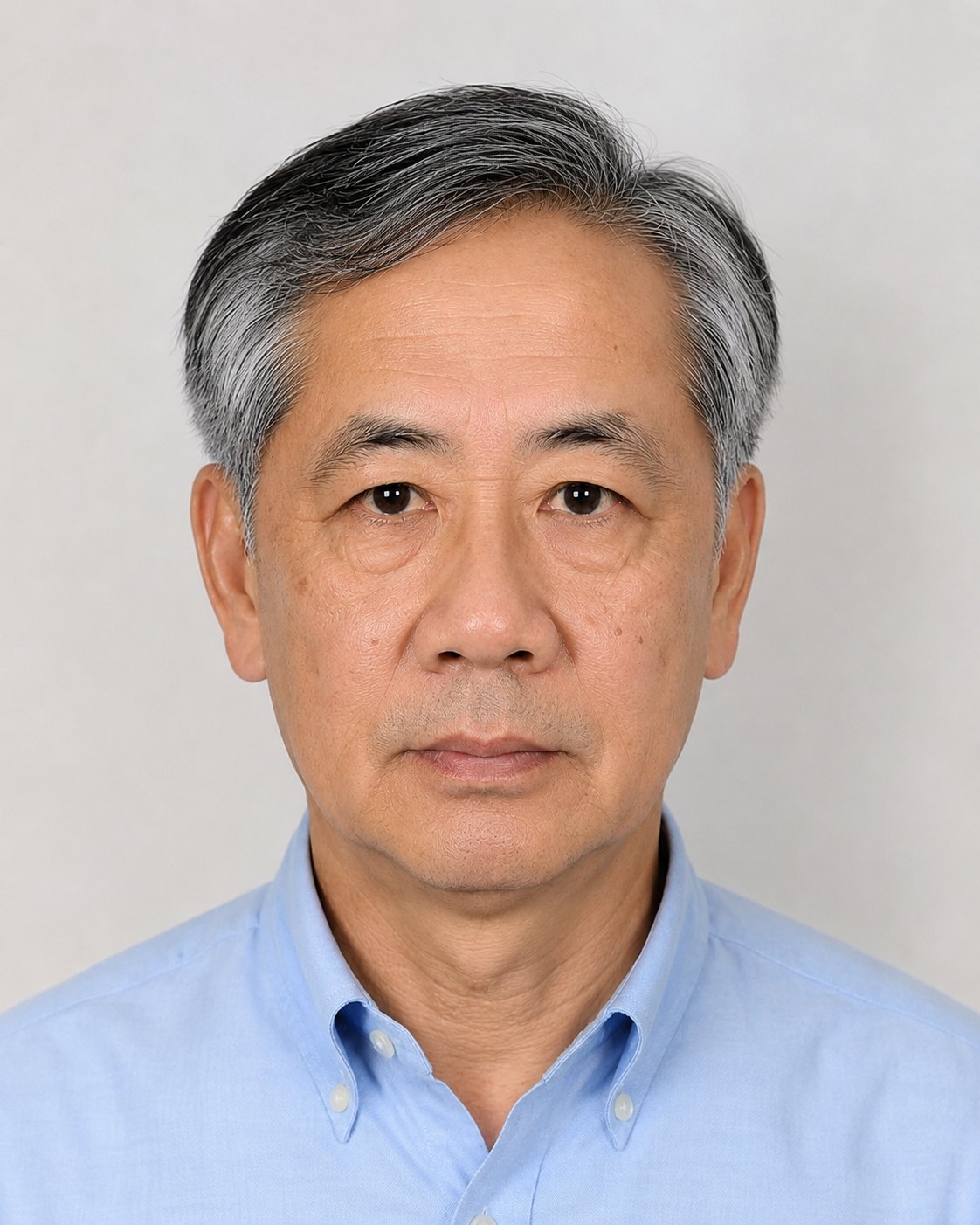
Niran Chaiyasit
Niran Chaiyasit is a Thai health writer with a background in public health and a focus on travel health, disease prevention and healthcare access in Thailand. His work covers topics such as common illnesses, vaccinations, mosquito-borne diseases, food safety and practical health information for travelers and expatriates.

Medical review
Justin Brooks
Daniel Brooks is an American health writer with a background in health sciences and a focus on rehabilitation, musculoskeletal health and patient education. He writes about physiotherapy, injury recovery, pain management, preventive health and practical healthcare guidance for international patients and travelers.