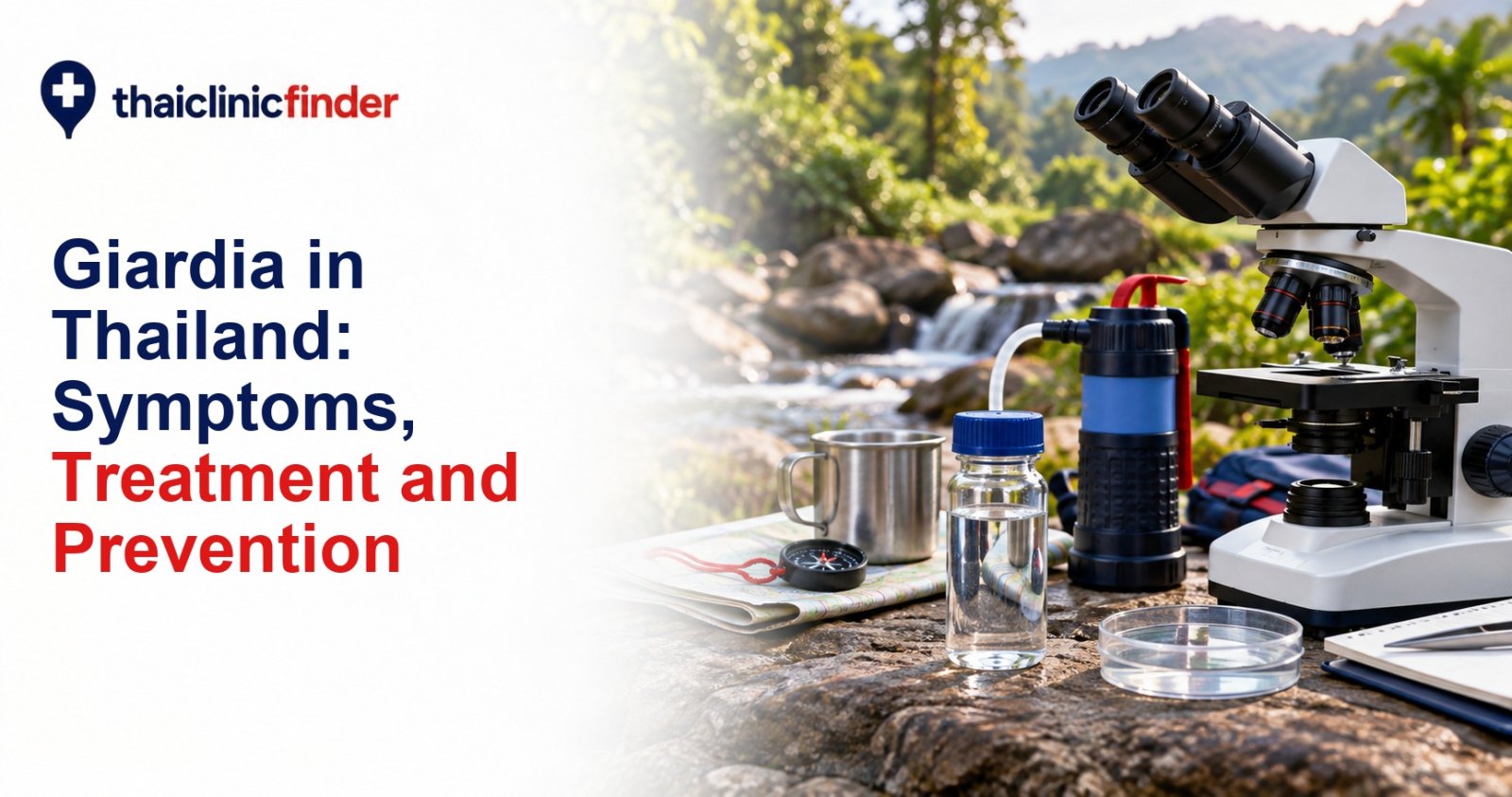
Giardia is a microscopic parasite that can cause gastrointestinal illness after contaminated food or water exposure. It occurs worldwide, including in Southeast Asia, and can affect travelers, residents and children.
The illness, called giardiasis, is not the same as a typical one-day stomach bug. Symptoms can persist for weeks and sometimes return after seeming to improve.
If diarrhea is severe, you cannot keep fluids down or you develop signs of dehydration, seek medical care promptly.
What Giardia infection feels like
The CDC lists diarrhea as the most common symptom.
Other typical features include:
- gas
- abdominal cramps
- nausea
- fatigue
- foul-smelling, greasy stools that may float
- dehydration
- weight loss in longer cases
Some people have no symptoms.
Symptoms commonly begin around one to two weeks after infection rather than immediately after the contaminated meal or water exposure.
Why the stools can look different
Giardia can interfere with absorption in the small intestine.
This can produce stools that are greasy, unusually foul-smelling or difficult to flush.
That pattern is not specific enough to diagnose Giardia on its own, but it is useful information to tell a clinician.
How Giardia spreads
Giardia is passed in feces.
Infection can occur after swallowing organisms from:
- contaminated water
- contaminated food
- unwashed hands
- contaminated surfaces
- recreational water
- fecal exposure during sex
Only a small amount of contamination may be enough to cause infection.
Travel and water exposure
Travelers should be particularly careful with untreated natural water.
Streams, rivers, lakes and shallow wells can contain Giardia even when the water looks clear.
If water safety is uncertain, use an appropriate treatment method before drinking it.
For urban travel in Thailand, bottled and filtered drinking water is widely available.
Swimming can also transmit Giardia
Swallowing contaminated water in pools, lakes or other recreational settings can spread the parasite.
Avoid swimming when you have diarrhea because infected people can continue contaminating water.
Children with diarrhea should also stay out of pools.
How Giardia is diagnosed
A healthcare provider may request stool testing.
Because Giardia may not be detected in every single sample, more than one stool sample can sometimes be required.
Do not assume persistent diarrhea is Giardia without testing. Other causes in Thailand can include:
- bacterial travelers' diarrhea
- other parasites
- foodborne illness
- medication effects
- inflammatory bowel disease
For general travel diarrhea, see Diarrhea in Thailand: Causes, Treatment and When to See a Doctor.
Giardia versus other causes of diarrhea
The timing and appearance of symptoms can point a clinician in a direction, but they cannot confirm the cause. Giardia often produces bloating, gas and greasy stools, while invasive bacterial infections are more likely to cause fever or blood. There is enough overlap that self-diagnosis is unreliable, especially after travel.
Tell the clinician about the whole sequence rather than naming the parasite you suspect. The date symptoms began, where you ate and drank, whether anyone travelling with you is ill, recent antibiotics and any swimming or camping exposure all matter. A clear history helps the clinician decide whether to test only for Giardia or request a broader stool panel.
People sometimes take an anti-diarrheal medicine and conclude that the infection has gone when symptoms briefly settle. Symptom control does not identify or remove the cause. If diarrhea persists, follow the advice in our guide to travellers' diarrhea in Thailand and arrange an assessment instead of extending self-treatment.
What stool testing may involve
Giardia organisms are not present in every stool sample in equal numbers. The CDC explains that a clinician may ask for several samples collected on different days. Depending on the laboratory, testing may use microscopy, antigen detection or a molecular panel.
Ask how to collect, label and transport the sample. Water, urine or toilet-cleaning products can interfere with it. If you have already taken antibiotics or antiparasitic medicine, say what you took and when. That information can affect interpretation and the next step.
A negative result does not automatically settle every case. The clinician may reconsider the sample timing, another parasite, a bacterial infection or a non-infectious bowel problem. Conversely, a positive result must be interpreted alongside symptoms, because some infected people have no symptoms.
Treatment depends on the patient
Prescription medicines are available for giardiasis.
The appropriate choice can depend on:
- pregnancy
- age
- immune status
- previous treatment
- other medical conditions
Do not use leftover antibiotics or antiparasitic medicines without assessment.
Some people with no symptoms may not need medication, while symptomatic infection often warrants clinical discussion.
The CDC lists tinidazole, nitazoxanide and metronidazole among effective options, with other medicines available in particular circumstances. This does not mean they are interchangeable or suitable for everyone. Dose and duration depend on the medicine and patient, and alcohol interactions, pregnancy, age and other prescriptions may affect the choice.
Take the full prescribed course and do not share tablets with a travel companion. If symptoms remain after treatment, the next question is not simply which medicine to try next. A clinician may need to confirm persistent infection, check adherence, consider reinfection and investigate another diagnosis. CDC clinical guidance describes repeat stool examination after treatment when symptoms continue rather than routine retesting for everyone who feels well.
Fluids matter during recovery
Diarrhea can cause dehydration.
Drink adequate fluids and consider oral rehydration solution when losses are significant.
Seek urgent care if you develop:
- very little urine
- severe weakness
- fainting
- persistent vomiting
- confusion
- inability to drink
Infants and pregnant people can become dehydrated more quickly.
Symptoms can last for weeks
CDC guidance notes that symptoms commonly last two to six weeks.
Some people experience prolonged or recurring symptoms even after the acute infection.
Potential longer-term problems can include weight loss and post-infectious bowel symptoms.
If diarrhea continues despite treatment, return for reassessment rather than repeatedly taking the same medication.
Avoid spreading Giardia at home
Good handwashing is important, especially:
- after using the toilet
- after changing diapers
- before preparing food
- before eating
Clean surfaces contaminated by diarrhea carefully.
Do not prepare food for other people while you are actively ill if it can be avoided.
Sex can be a route of transmission
Giardia can spread through fecal exposure during sexual activity.
CDC prevention guidance recommends reducing fecal contact and notes that organisms can continue to be shed after diarrhea stops.
Good hygiene and barrier methods can reduce risk.
If a partner develops similar symptoms, they may also need assessment.
Food safety in Thailand
Giardia is only one cause of gastrointestinal illness.
General precautions include:
- choosing freshly cooked food
- eating food served hot
- washing hands before eating
- avoiding questionable untreated water
- being cautious with raw foods when hygiene is uncertain
See Food Poisoning in Thailand for broader foodborne illness guidance.
When drinking-water safety is doubtful, boiling is a dependable option. CDC guidance advises bringing clear water to a rolling boil for at least one minute. A filter must be designed to remove Giardia cysts; an ordinary bottle filter or a few purification drops should not be assumed to do so. Follow the device instructions and avoid contaminating treated water with the unclean cap, bottle neck or hands.
Ice and uncooked food deserve the same practical judgement as drinking water. The point is not to avoid all local food. Choose busy, clean-looking vendors, watch whether raw and cooked ingredients are separated, and prefer food cooked thoroughly and served hot. The same habits also reduce exposure to other infections discussed in our typhoid guide for Thailand.
Work, childcare and household precautions
Giardia can move through households because the parasite leaves the body in stool. Soap-and-water handwashing matters after the toilet, after helping a child and before handling food. Alcohol hand gel is useful in many settings, but it should not replace washing visibly soiled hands.
Someone with active diarrhea should avoid preparing food for others and should stay out of pools and shared recreational water. Parents should ask the child's nursery or school about its return policy, and food handlers should follow workplace and local public-health advice. These rules may extend beyond the day symptoms stop.
Wash soiled clothing and bedding promptly and clean bathroom touch points. Gloves can reduce contact during cleanup, but handwashing is still necessary after removing them. If several people at home become ill, mention the cluster when seeking care because reinfection can occur when one source or household member remains untreated.
When to see a doctor
Arrange medical assessment for:
- diarrhea lasting more than several days
- greasy or recurrent stools
- significant weight loss
- persistent abdominal symptoms
- fever or blood in stool
- dehydration
- symptoms after untreated water exposure
Blood in the stool or high fever can suggest another diagnosis and should not be assumed to be Giardia.
What to tell the clinician
Mention:
- recent travel
- swimming
- untreated water
- camping
- other sick household members
- sexual exposure involving fecal contact
- previous treatment
These details can guide the choice of testing.
Returning to normal after infection
Appetite and digestion can take time to normalize.
Some people temporarily have difficulty tolerating certain foods after intestinal infection.
If symptoms continue for weeks after treatment, follow up with a clinician rather than assuming this is normal recovery.
What to do if you suspect Giardia in Thailand
Consider Giardia when diarrhea lasts, returns or comes with marked gas and greasy, foul-smelling stools, particularly after untreated water, swimming or close contact with another case. Keep drinking safe fluids and use oral rehydration solution when losses are substantial. Blood in the stool, high fever, fainting, confusion or inability to drink needs prompt medical attention, because those features can signal dehydration or a different illness.
Arrange a clinic visit and bring a concise exposure and medication history. Ask whether stool testing is appropriate and how many samples the laboratory needs. Do not keep taking leftover antibiotics or repeat an antiparasitic course without confirmation; persistent symptoms can reflect reinfection, incomplete clearance or a different condition.
While waiting, use careful handwashing, avoid preparing food for others and stay out of pools if you have diarrhea. If you are unsure where to seek care, the guide to what to do when you get sick in Thailand explains practical options for visitors and residents.
Frequently Asked Questions
What are the symptoms of Giardia?
Common symptoms include diarrhea, gas, abdominal cramps, nausea and foul-smelling greasy stools. Symptoms often begin one to two weeks after infection.
How do you test for Giardia?
A healthcare provider usually orders stool testing. More than one sample may sometimes be needed.
Does Giardia need medication?
Some infections can resolve without medicine, but symptomatic patients should discuss treatment with a clinician. Prescription antiparasitic medicines are available.
Can Giardia cause long-term symptoms?
Yes. Some people develop recurrent diarrhea, weight loss or post-infectious bowel symptoms.
Can you get Giardia from swimming?
Yes. Swallowing contaminated recreational water can transmit Giardia.
Sources

Writer
Niran Chaiyasit
Niran Chaiyasit is a Thai health writer with a background in public health and a focus on travel health, disease prevention and healthcare access in Thailand. His work covers topics such as common illnesses, vaccinations, mosquito-borne diseases, food safety and practical health information for travelers and expatriates.

Medical review
Justin Brooks
Daniel Brooks is an American health writer with a background in health sciences and a focus on rehabilitation, musculoskeletal health and patient education. He writes about physiotherapy, injury recovery, pain management, preventive health and practical healthcare guidance for international patients and travelers.